
March Madness: Beyond the Bracket

March Madness is upon us! The highly competitive office bracket pool is always a great cap on the winter season at Davis. From my desk, I can hear the squeaky sounds of players’ shoes shifting on wood courts coming from the monitors in the break room.
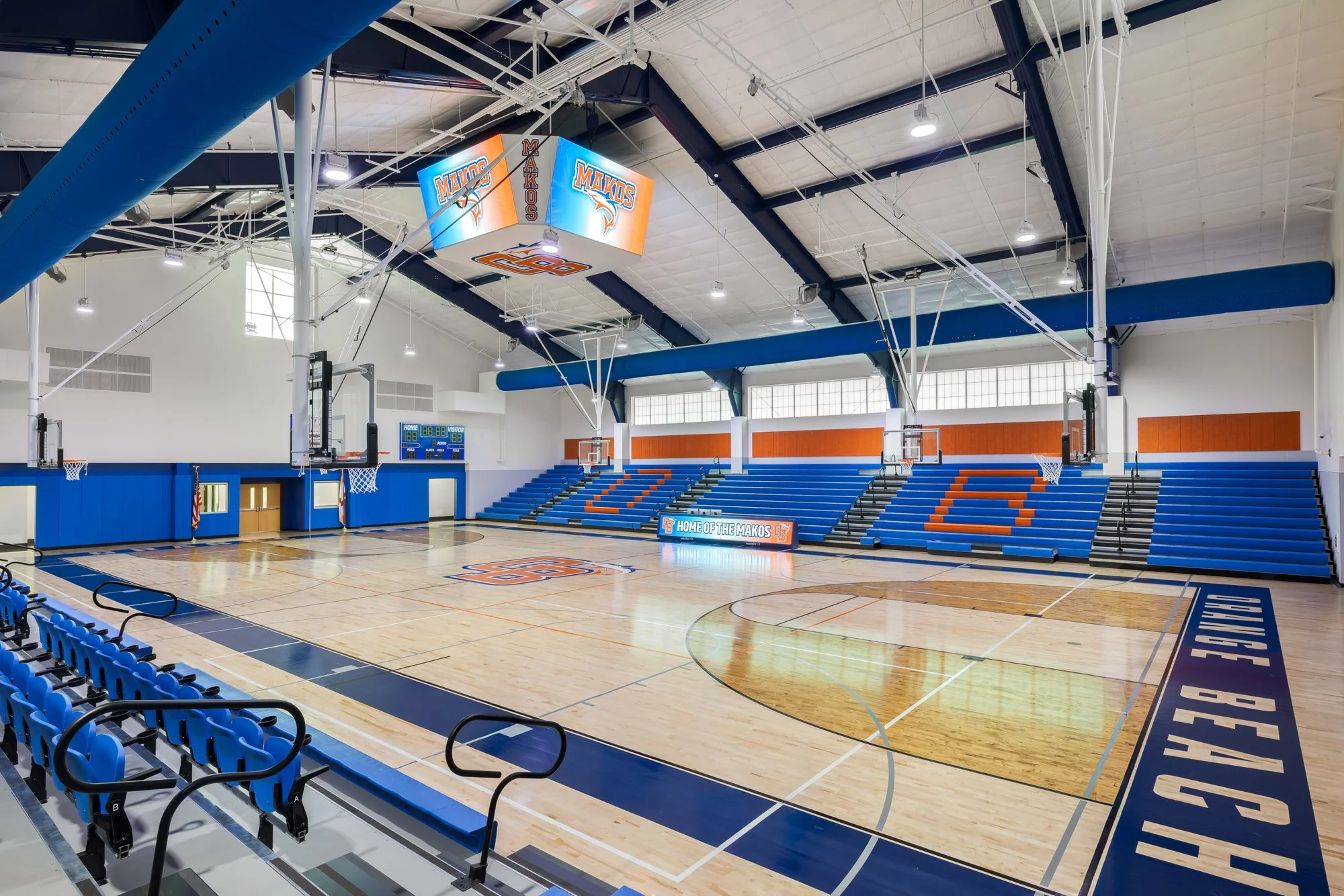
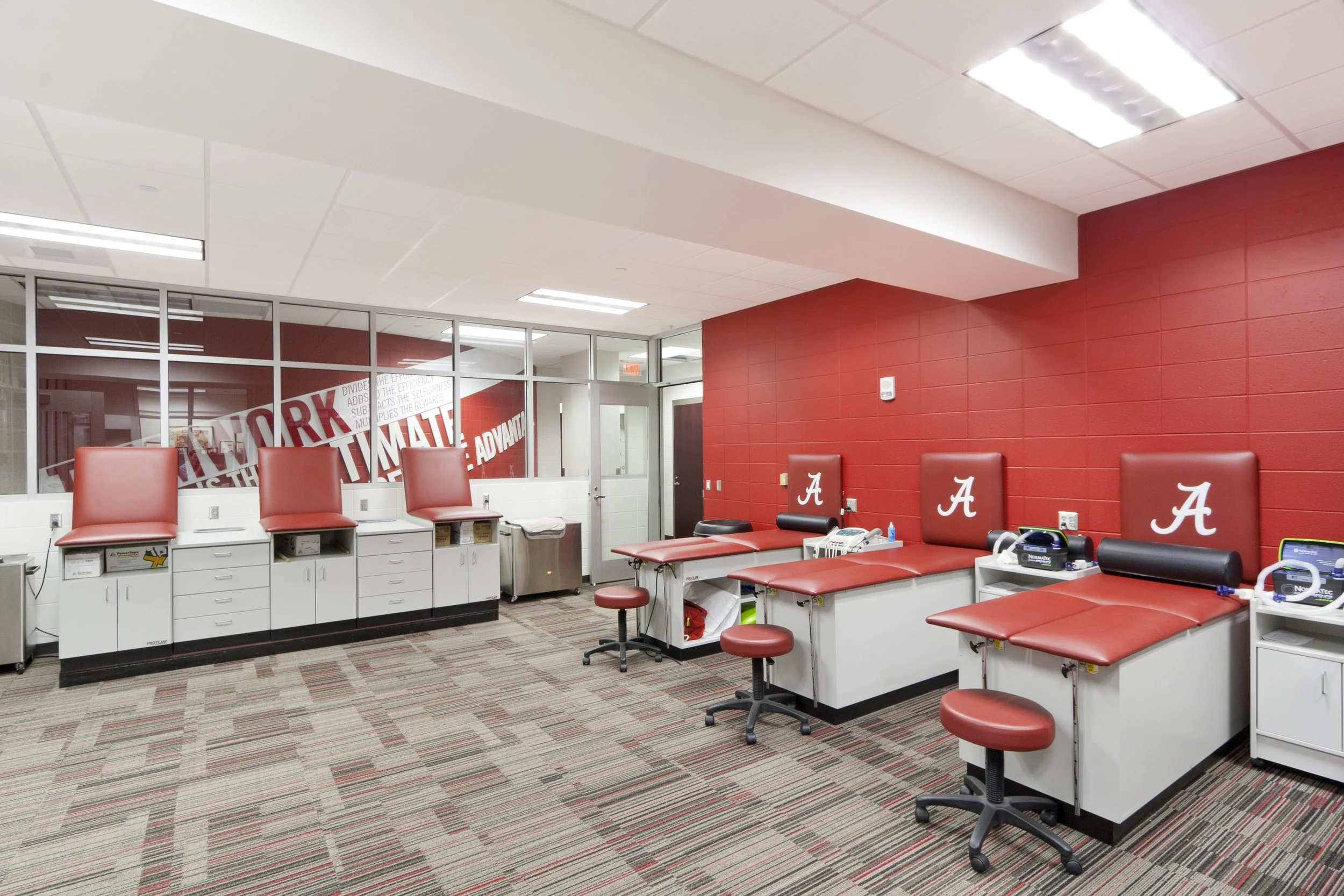
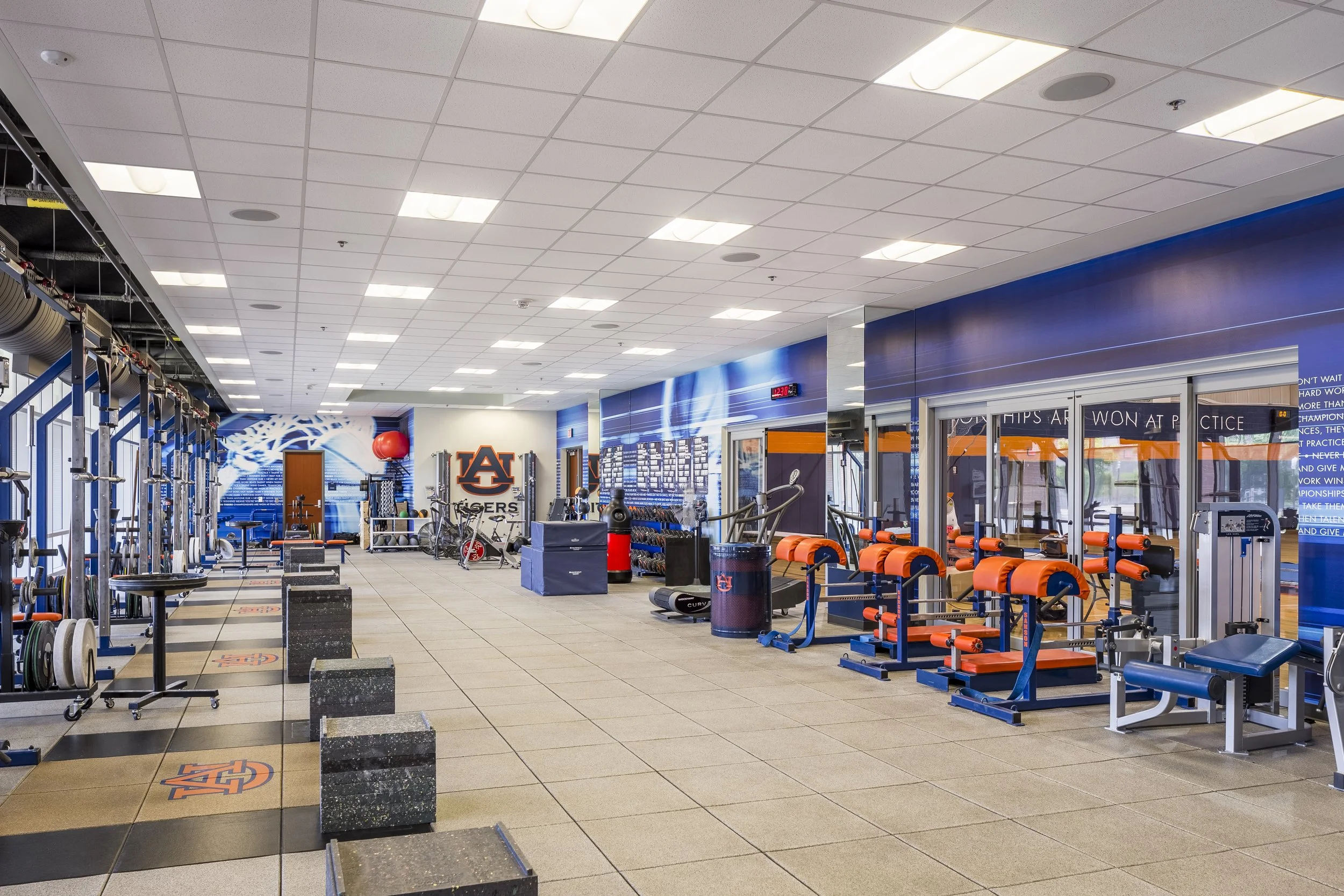
Basketball team rosters are short compared to most other sports, and as a designer I’ve always been intrigued by how facilities can help foster camaraderie and unity within this small but tall and mighty group. At the college level, player facilities support many functions—individual player training, team building, social interaction, food and nutrition, gear and equipment, personal reflection, physical and mental health, and fostering a love of the game itself. High school facilities are challenged to do many of the same things, but generally in a smaller footprint and often while housing multiple teams. During my time in practice, I’ve been amazed by how much facilities have evolved to meet the needs of the modern player and coach, and it has been rewarding to design spaces that rise to that challenge.
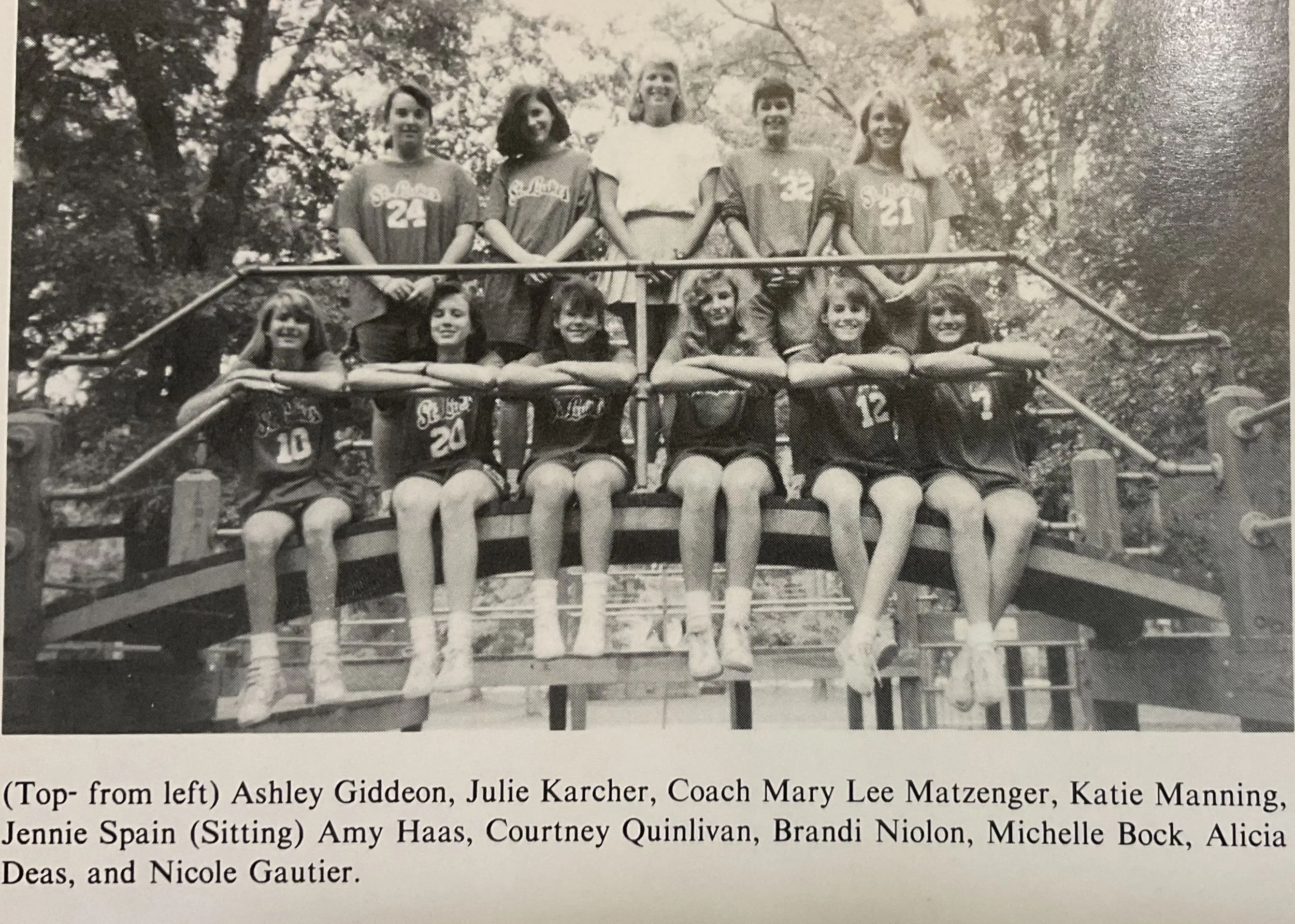
My eighth-grade team- See if you can spot me!
My hands-on basketball experience is limited to my brief stint on the eighth-grade team at St. Luke’s Episcopal School in Mobile, but the game still reminds me how much our performance in anything we do can be influenced by preparation, focus, and the ability to gel with the people around us. Distractions are everywhere and can easily pull us away from doing our best work. Thinking through how the spaces we design can promote personal and team well-being is an important part of creating the environments where these teams spend so much of their time.
The process starts with understanding the coaching approach and how the coaches interact with their players, which in turn helps inform the program hierarchy. We also need to hear from the many others who support the team—trainers, strength coaches, equipment managers, nutritionists—about their individual roles and how they interact with the team. The program then needs to be organized with those relationships in mind, along with how the building site can best support those needs—natural light, views into spaces, entry and exit points, deliveries, noise, security, and safety. All of these perspectives help shape the environment where the team will hone their craft and improve their game.
Regardless of the layout, the facility needs to support both the loud and the quiet moments that are part of team dynamics. Basketball, like any team sport, is communal—pregame pep talks, post-win celebrations, or even the energy of a film session when everyone is tuned in and ready to learn. But there are also times when a player needs a quieter place to gather their thoughts, shake off a tough game, or mentally prepare before stepping onto the court. Successful facilities address both needs. Larger spaces bring the team together and build energy, while smaller, more intimate areas allow players to step away for individual focus or reflection. Finding the right balance helps create a facility that supports the full range of experiences that come with being part of a team—and helps players be ready when the big moments arrive.
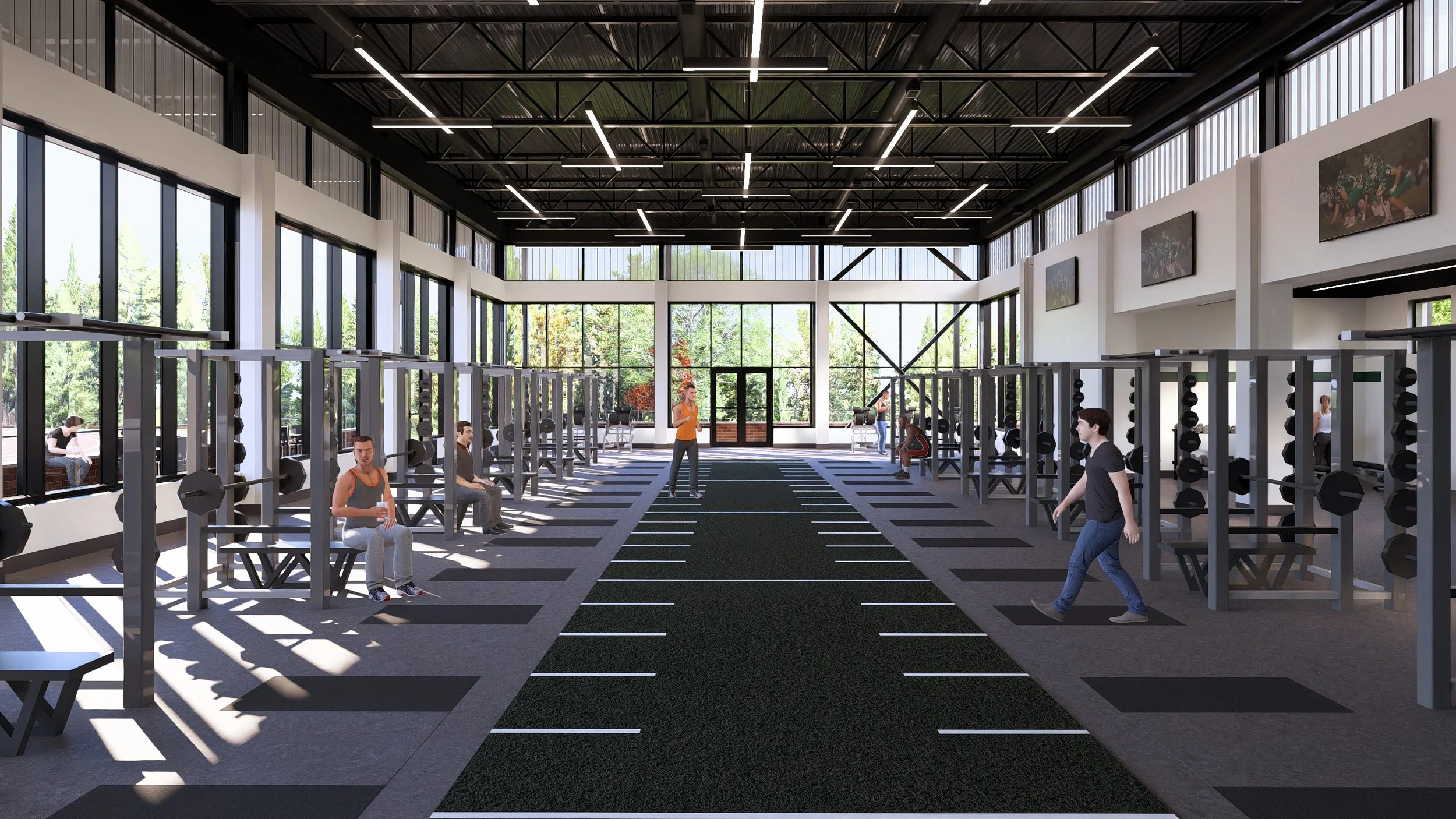
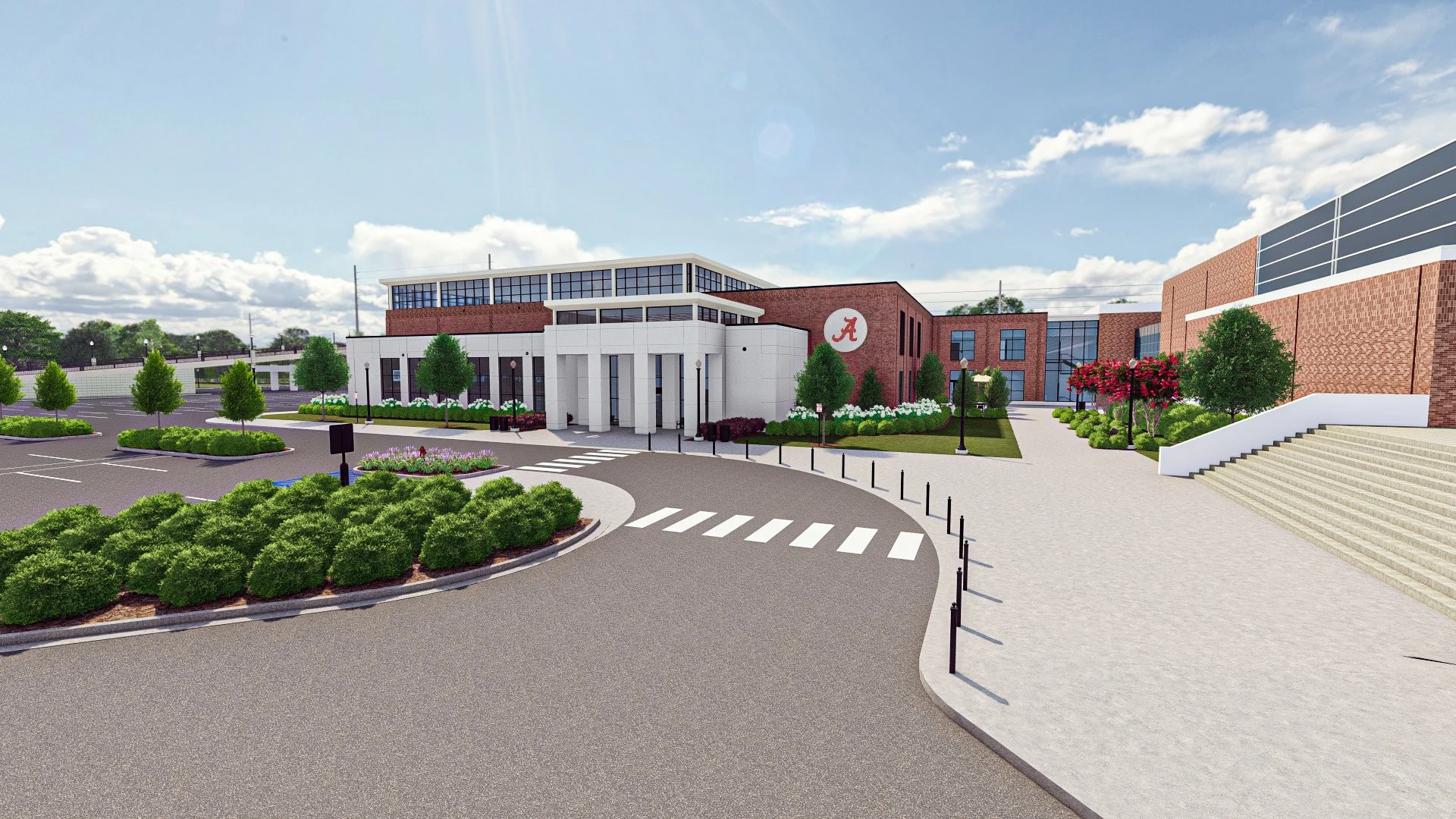
March Madness is fun for us bracketologists to experience, and those games go by quickly. It’s easy to forget the countless hours that players and coaches spend doing the hard work—practicing, learning, growing, and evolving their game—long before they get invited to the dance. The environments surrounding athletes every day quietly shape those experiences. Good facilities won’t win games by themselves (if only that were true!), but they can help create the atmosphere where teams are ready to perform at their best when the big moment arrives.
Written by Courtney Pittman