
Architecture, Design, and Technology: How digital tools enhance collaboration, clarity, and confidence in the design process.
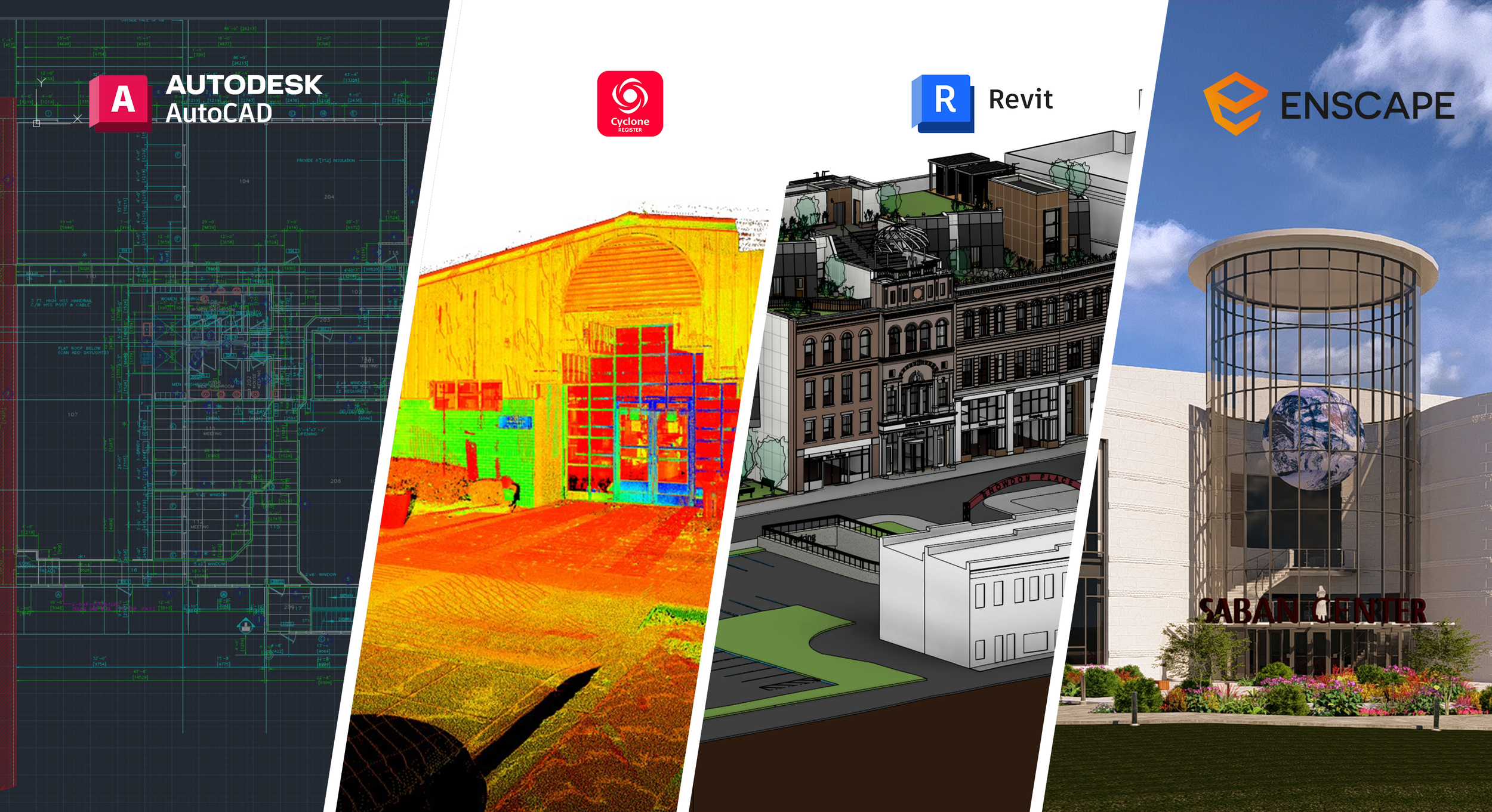
At Davis Architects technology plays a vital role in the day-to-day practice of architecture, supporting design decisions, communication, and overall efficiency. Digital tools help teams better understand projects at every phase, improving how ideas are developed, coordinated, and shared with clients and consultants. By using a combination of digital and physical technologies, architects can explore design more thoroughly and communicate it more clearly.
Digital Design Technologies
A range of software helps Davis make informed decisions, coordinate building systems, and communicate ideas to project stakeholders.
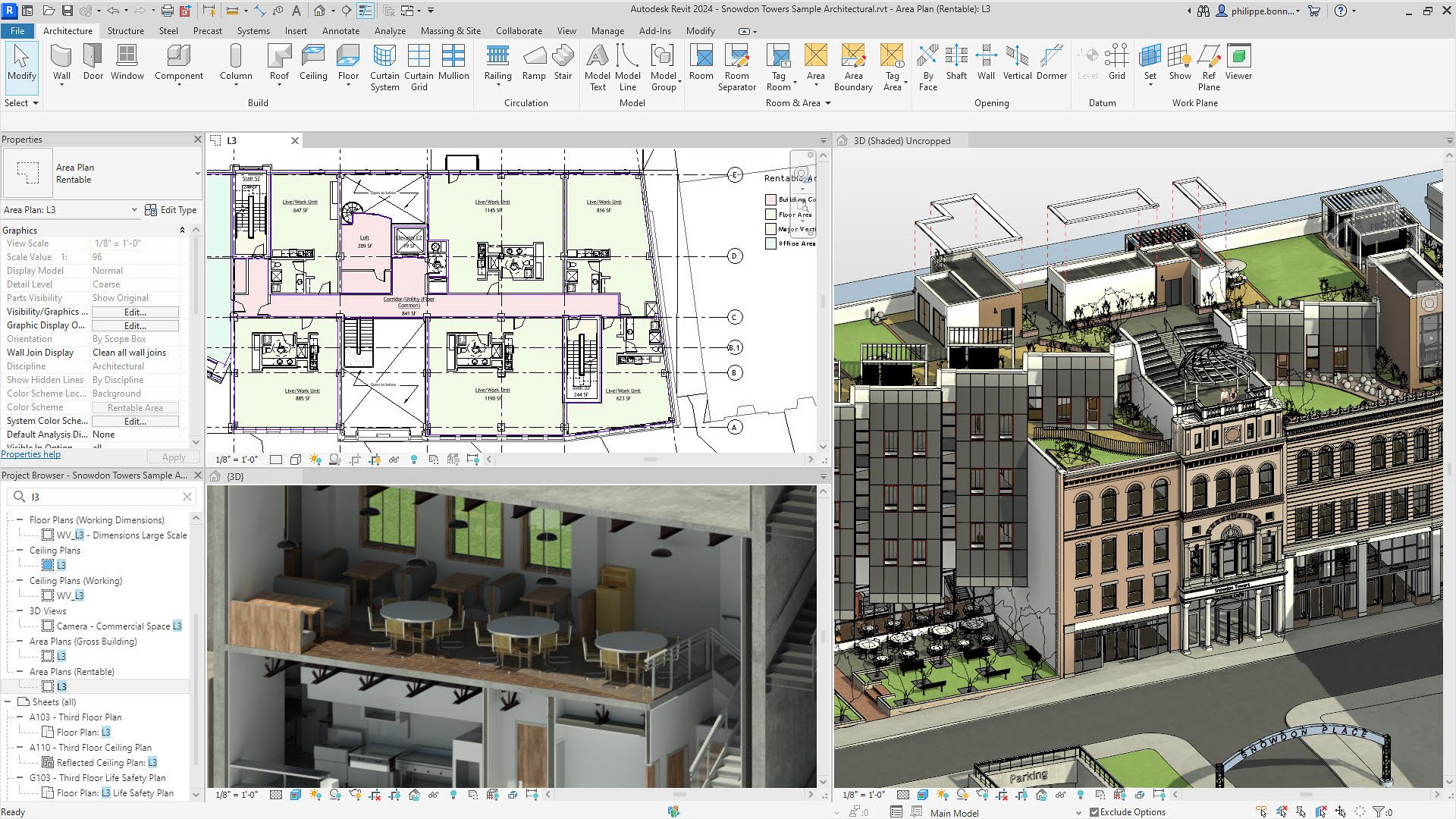
Programs such as Revit, Enscape, and Lumion support different aspects of the design process. Revit allows teams to develop detailed 3D building models, making it easier to study spaces, systems, and relationships that may be overlooked in traditional 2D drawings. This deeper level of modeling leads to more coordinated and better designs.
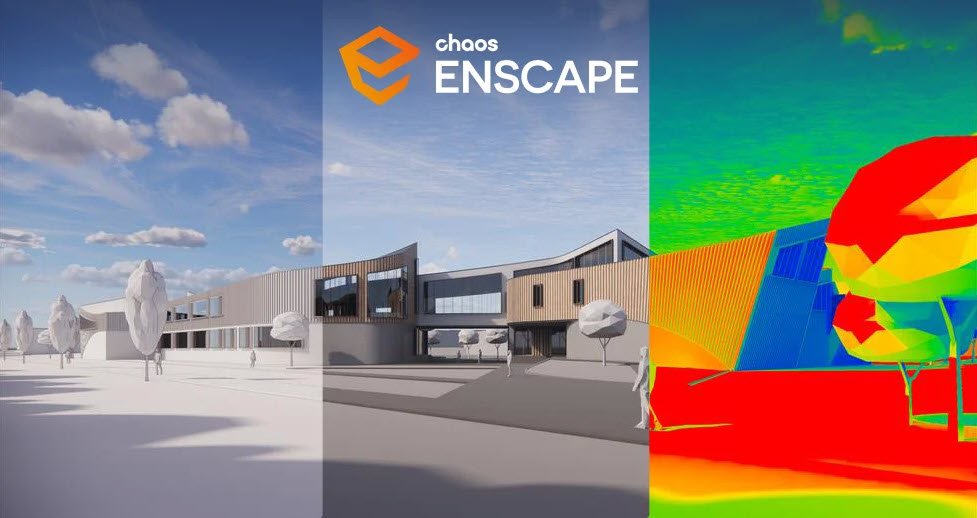
Visualization tools like Enscape and Lumion build on these models by creating renderings and immersive walkthroughs. These tools allow owners and project teams to experience spaces digitally, leading to a clearer understanding of scale, materials, and overall design intent.
Communication
Clear communication is essential to a successful project, and digital platforms help streamline that process. With Bluebeam, teams can share and coordinate comments directly on PDFs, allowing architects and consultants to review the same documents in real time. Markups, redlines, and revisions can be tracked efficiently, helping ensure that updates are addressed and documented. Autodesk Construction Cloud (ACC) extends collaboration even further. During design, it allows consultants to access and coordinate model information. During construction, it supports the tracking and review of RFIs and submittals, improving transparency and organization throughout the project lifecycle.
Understanding Existing Conditions
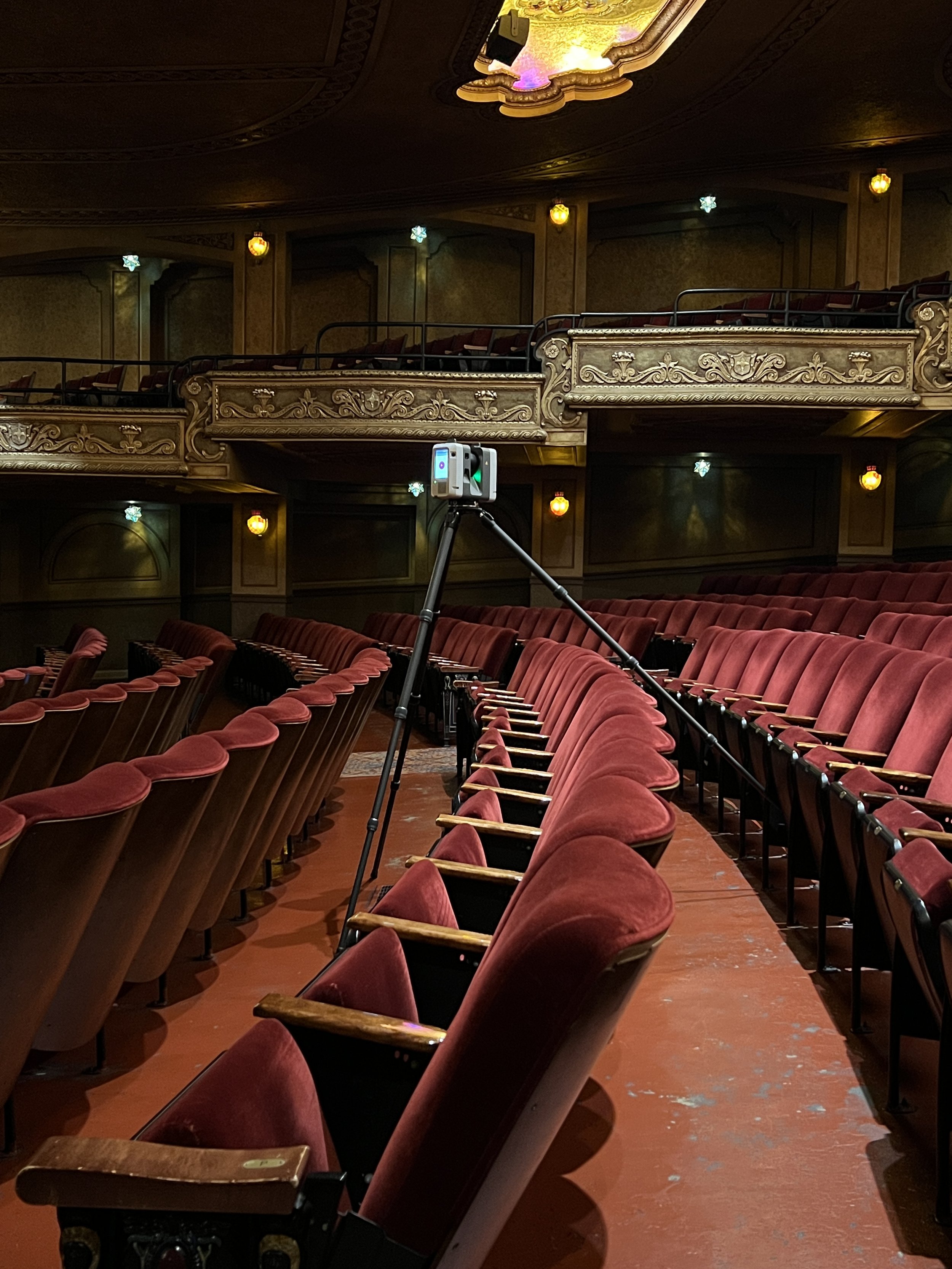
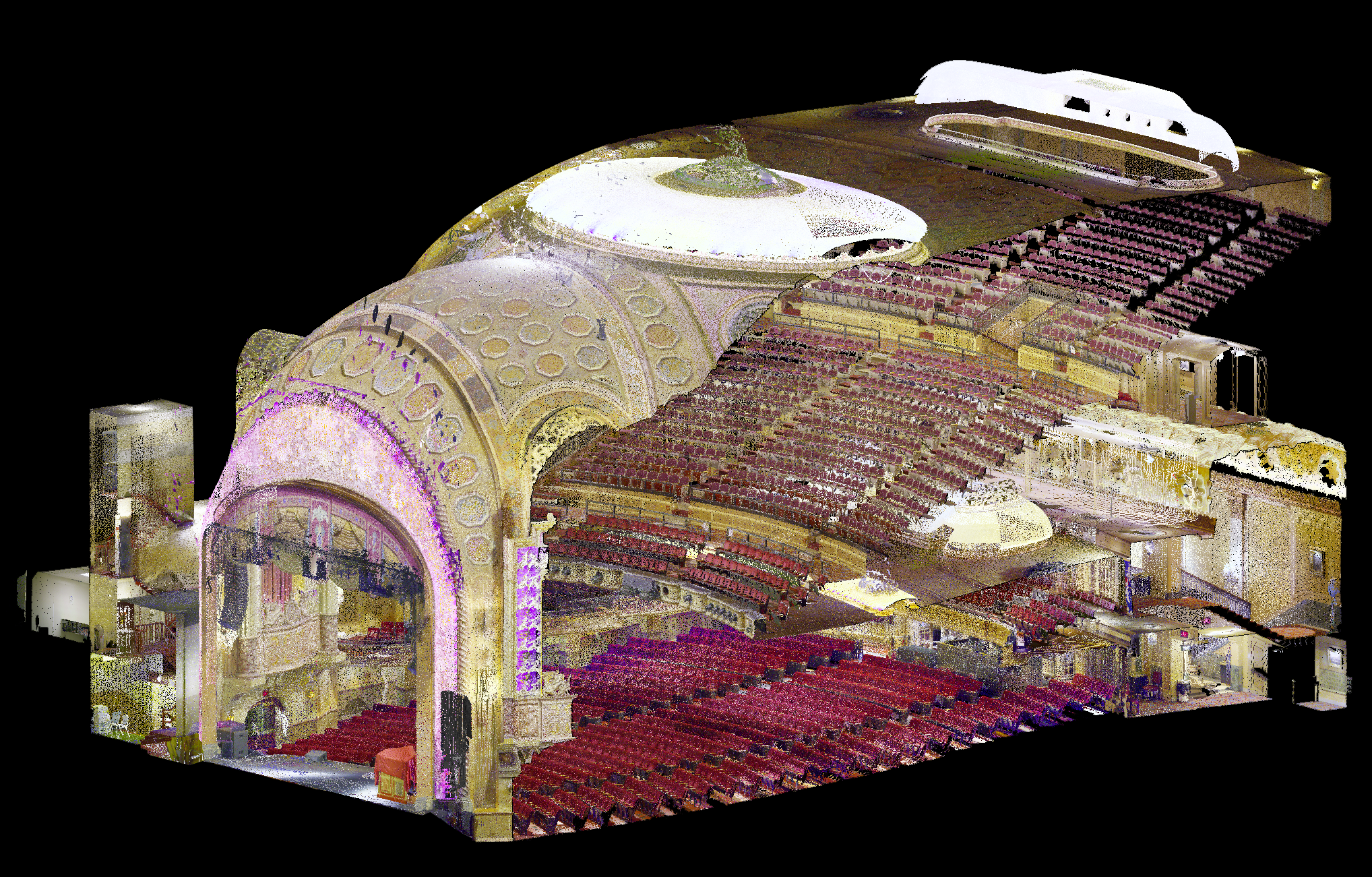
When working with existing buildings, accurate information is critical. 3D laser scanning provides a fast and reliable way to document current conditions, especially when original drawings are incomplete or outdated.
Laser scanners capture precise measurements that can be converted into digital models and integrated into Revit. This gives design teams a dependable foundation for renovations and additions, reducing uncertainty and supporting better-informed design decisions.
From Digital to Physical
While digital tools are powerful, physical models still play an important role in the design process. 3D printing allows teams to quickly create tangible study models directly from digital files. These models help communicate building scale, site relationships, and spatial concepts in ways that can be difficult to grasp on a screen or in 2D drawings. For many clients and stakeholders, holding a model provides an immediate and intuitive understanding of the design.
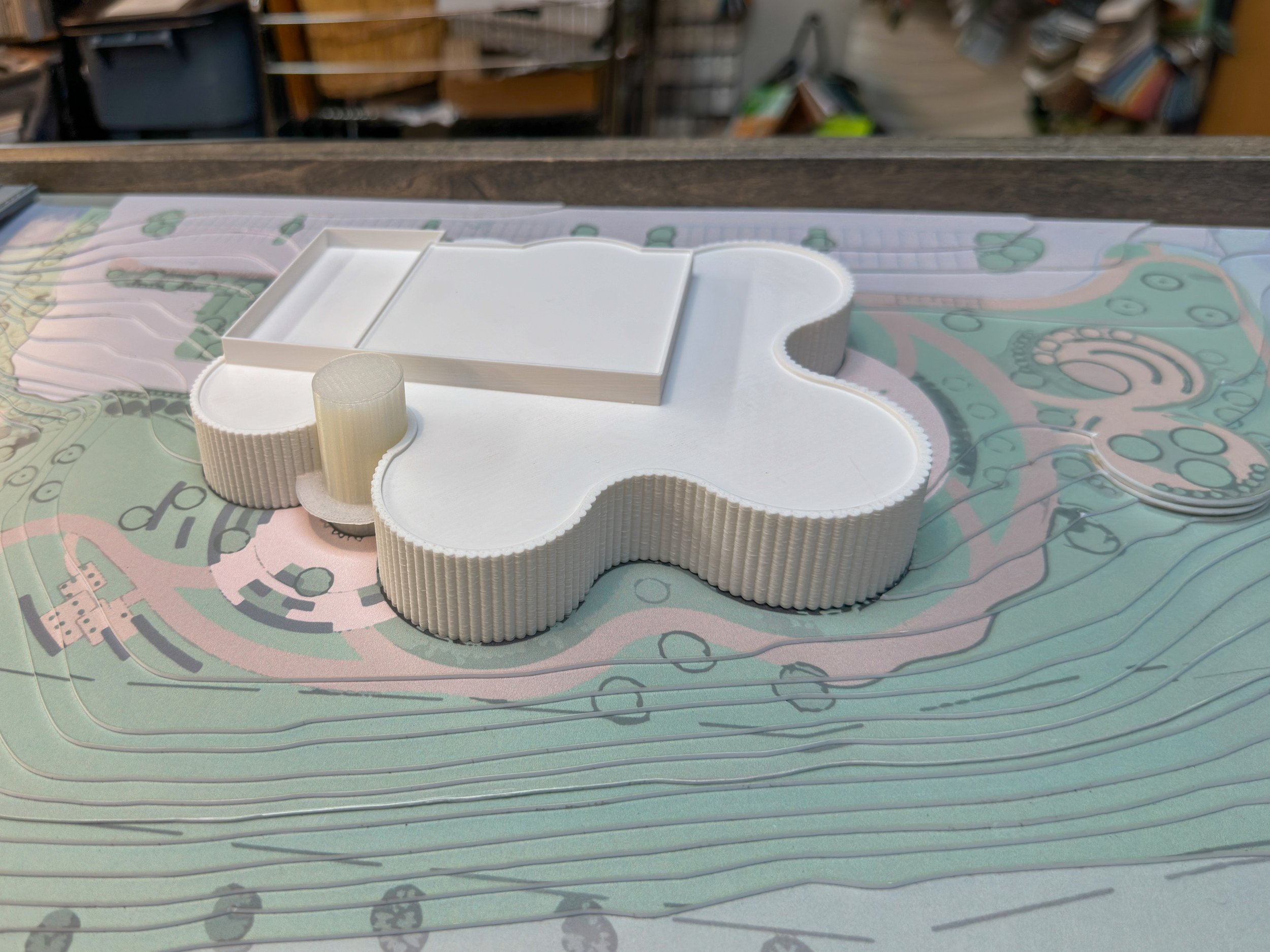
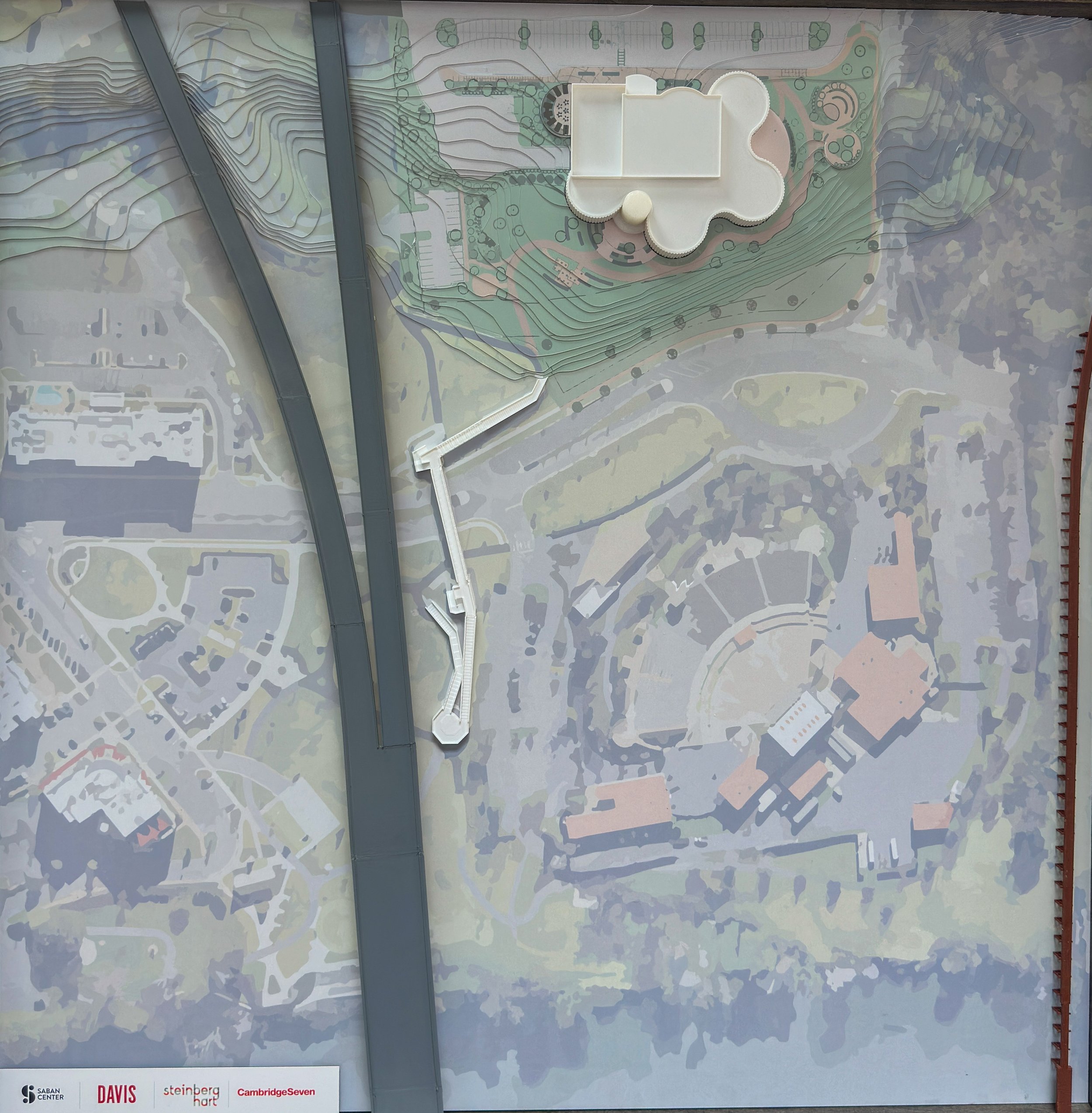
A wide range of tools supports the architectural design process today. Digital modeling, visualization, collaboration platforms, laser scanning, and 3D printing all contribute to better coordination, clearer communication, and more informed decision-making.
Ultimately, at Davis Architects, these technologies do not replace design expertise — they enhance it. When used thoughtfully, they help architects create spaces and buildings that are more responsive, efficient, and meaningful.
Written by Bob Benner