Meet Our Firm
Founded in 1912, Davis Architects is Alabama’s oldest continually operating architecture firm, nationally recognized for designing purposeful spaces. From educational campuses and athletic facilities to cultural landmarks, performance venues and more, we partner with clients to create spaces that serve generations. With a team of experienced architects and a broad range of design services, we start with performance and layer in design to help clients create functional, enduring spaces that leave a lasting impression.
As a firm led by architects, we believe great architecture goes beyond buildings — it shapes experiences, transforms communities, and builds legacies. That belief drives the core values that guide our work every day.
Purposeful Design
We design with intention, ensuring every space serves a purpose beyond aesthetics. Every detail matters because great design is functional, adaptable, and enduring.
Lasting Legacy
We honor the past as we design for the future. Our work outlasts us, shaping communities for generations, and reflecting the values that guide us.
Rooted in Relationships
We’re more than a team — we are a family. Our culture is built on mutual respect, shared passion, and a commitment to one another and our craft.
Client Partnership
We listen first, collaborate always, and design with your vision, schedule, and budget in mind. Every client, every project, every time. Our work begins and ends with people.
Innovative Thinking
We believe every challenge has a solution. Our legacy of innovation drives us to rethink what’s possible and design with the future in mind.
1910 - 1929

1930 - 1949
Helen Sellers Davis becomes Alabama’s first female registered architect, a trailblazer for women in architecture in the Southeast.
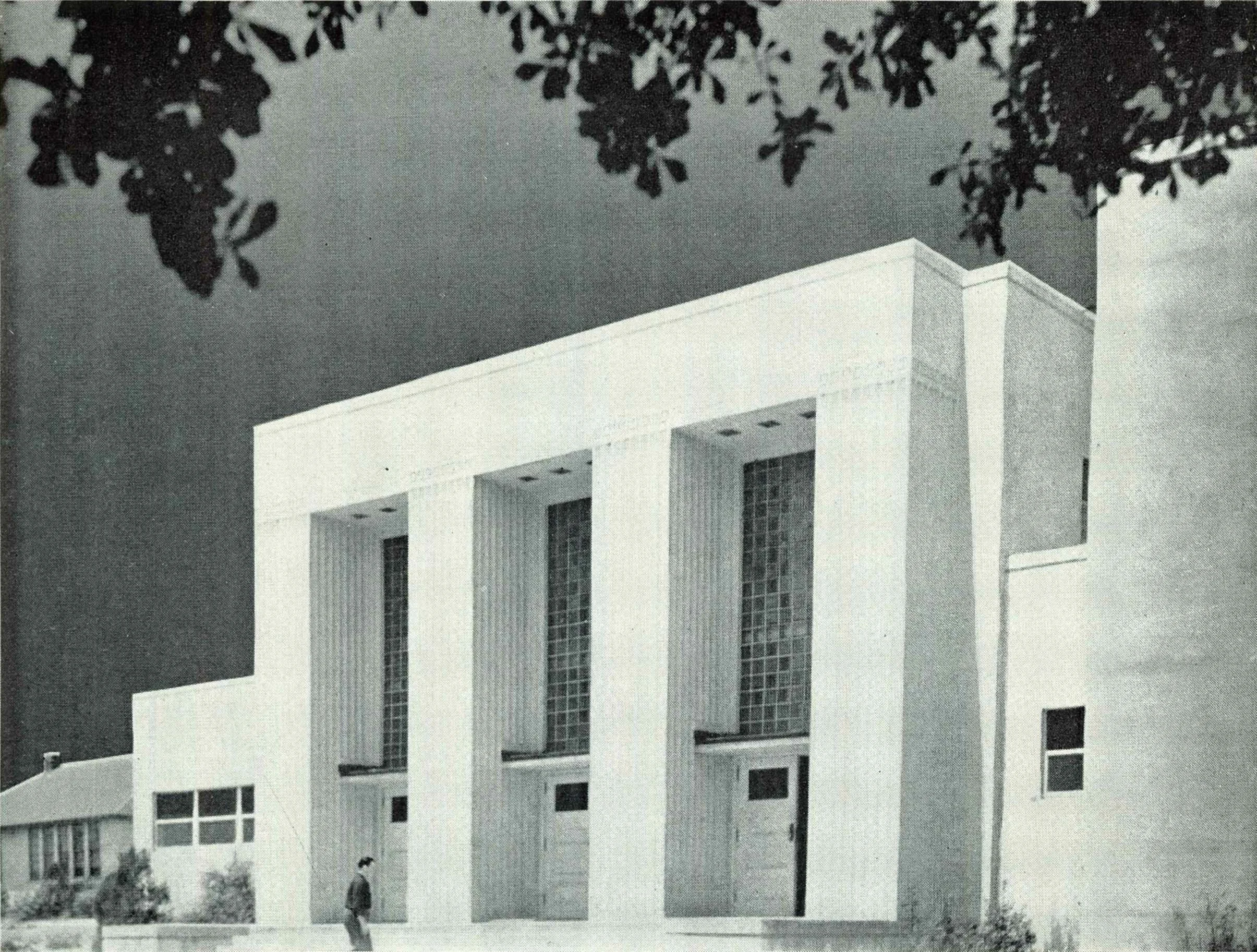
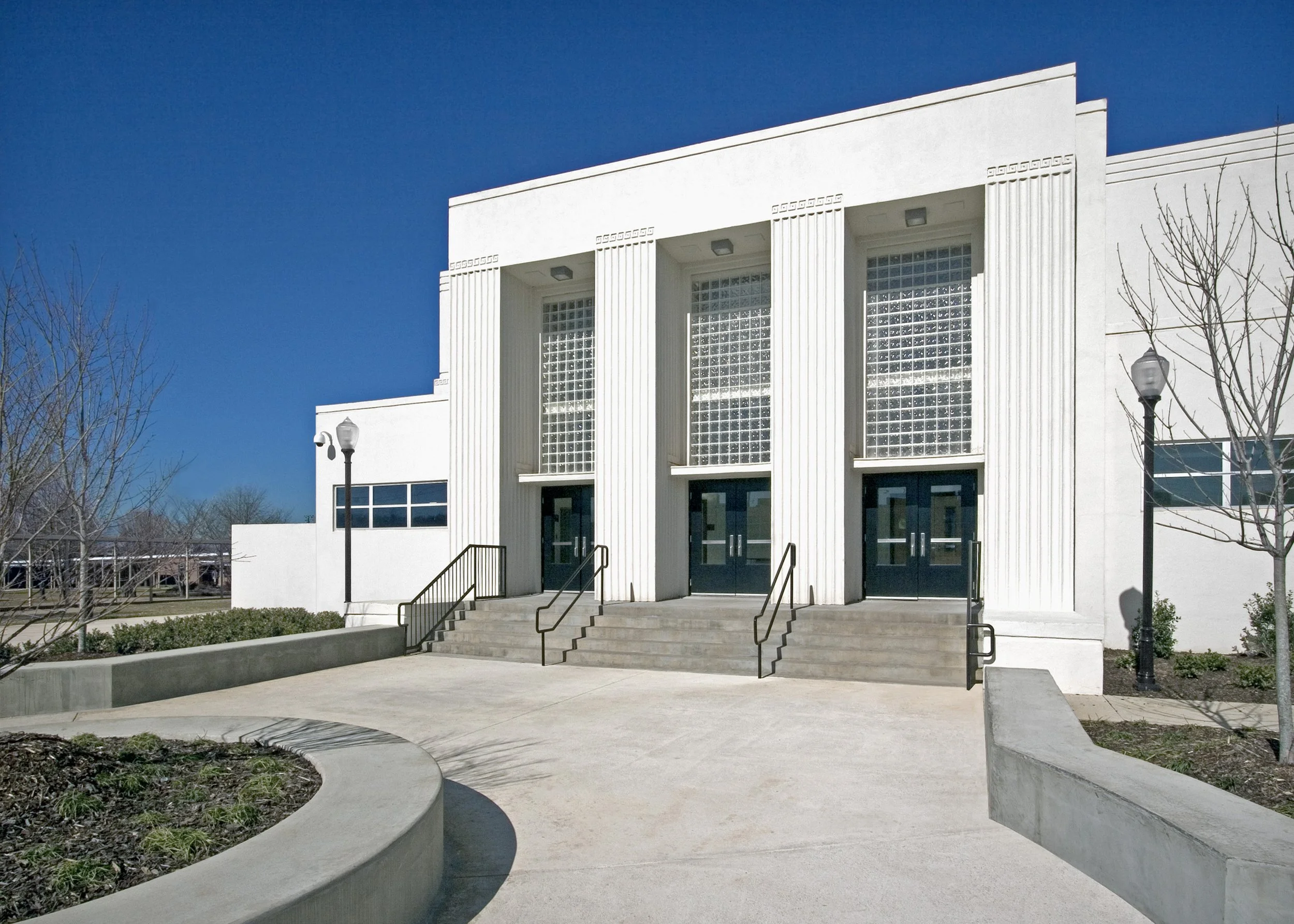
McAdory High School: Originally designed by E.B. Van Keuren and completed through the Works Projects Administration, the school was one of the most modern educational facilities of its time. Later renovated by Davis to serve new generations.
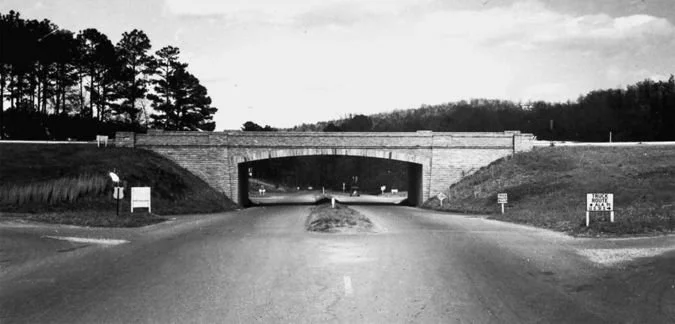
R.H. “Bob” Wharton Cloverleaf Bridge, Homewood: Infrastructure landmark known for naturalistic stonework and distinctive ring stones, echoing the style of bridges in America’s National Parks; part of Alabama’s first cloverleaf intersection.
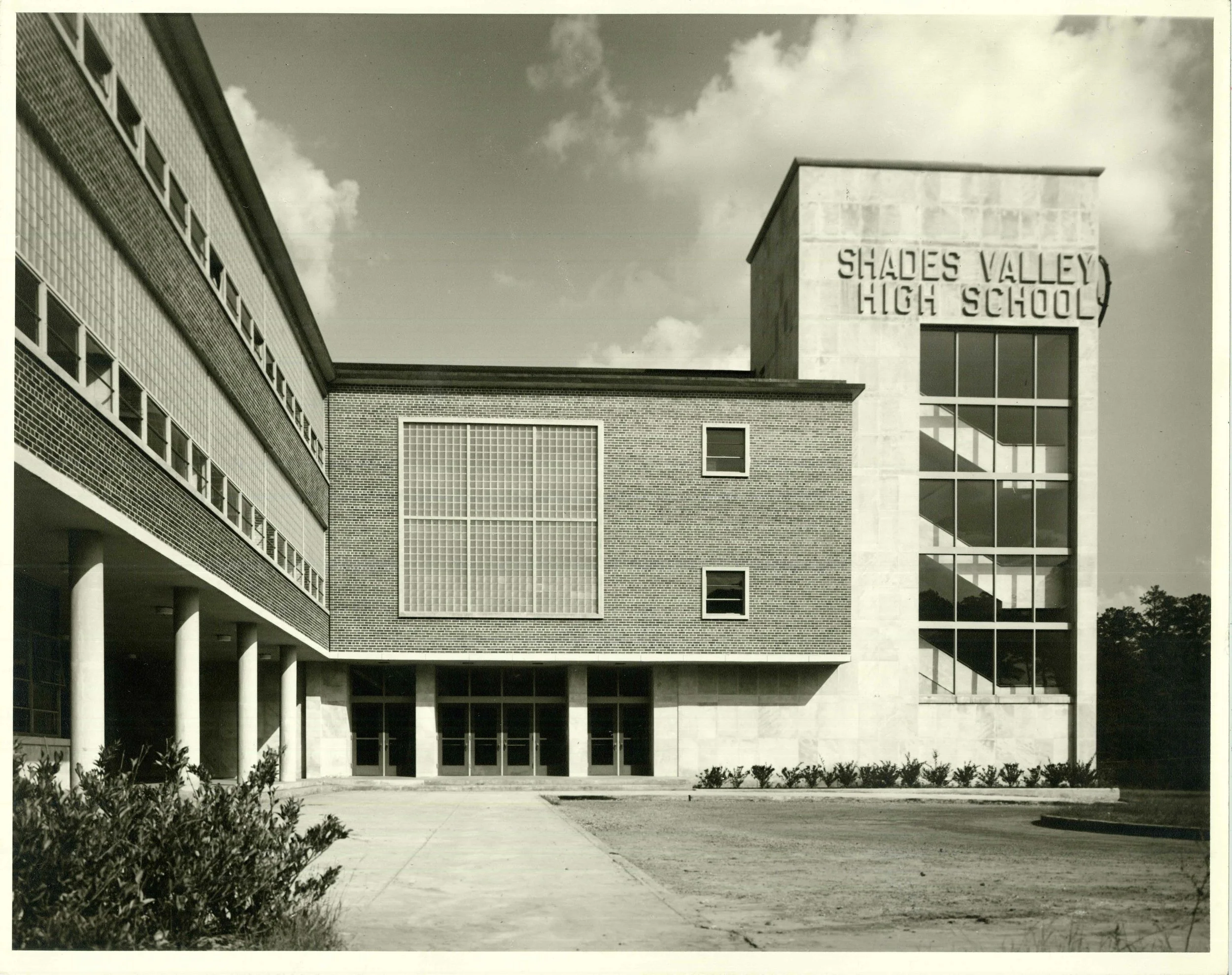
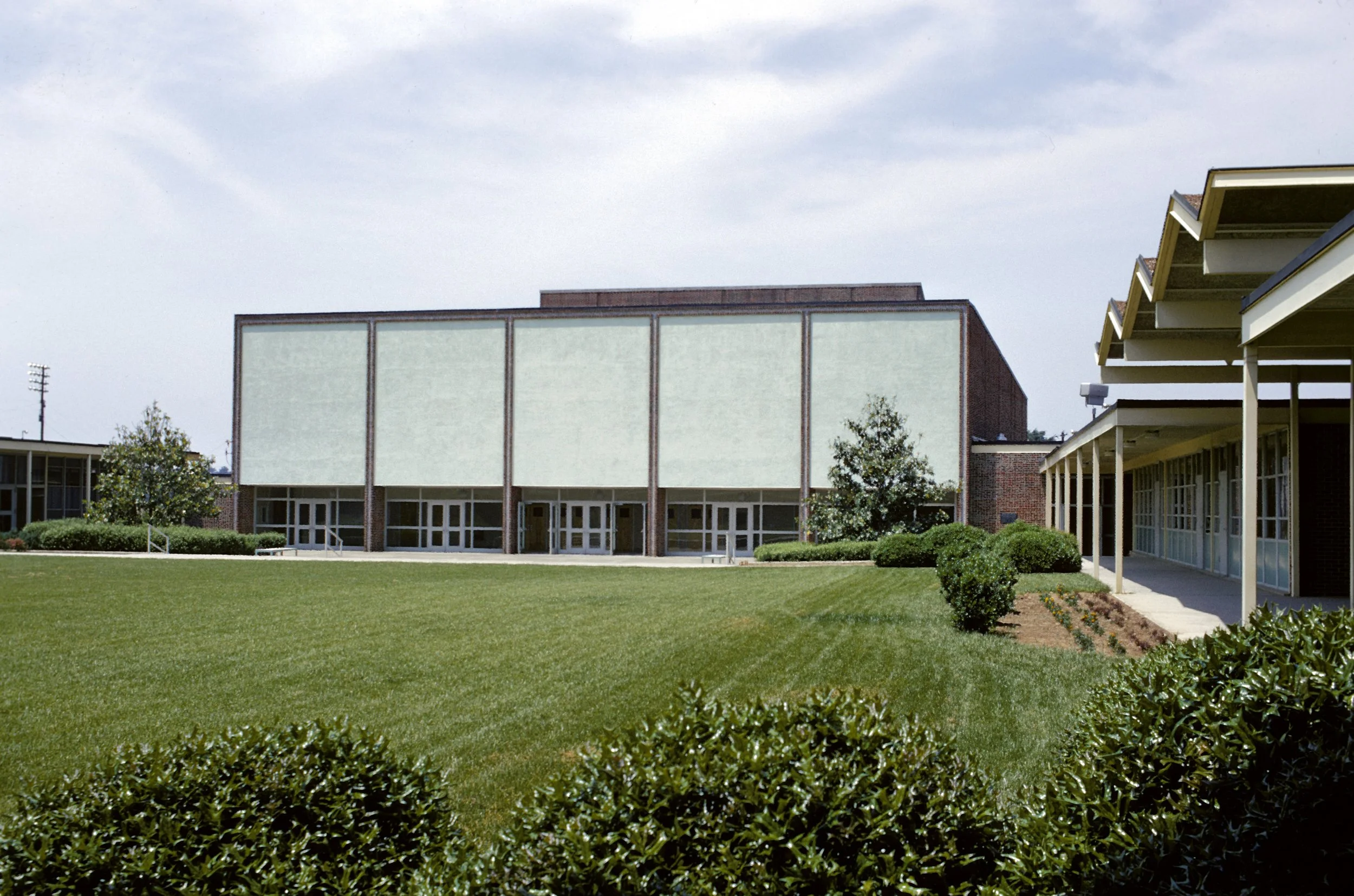
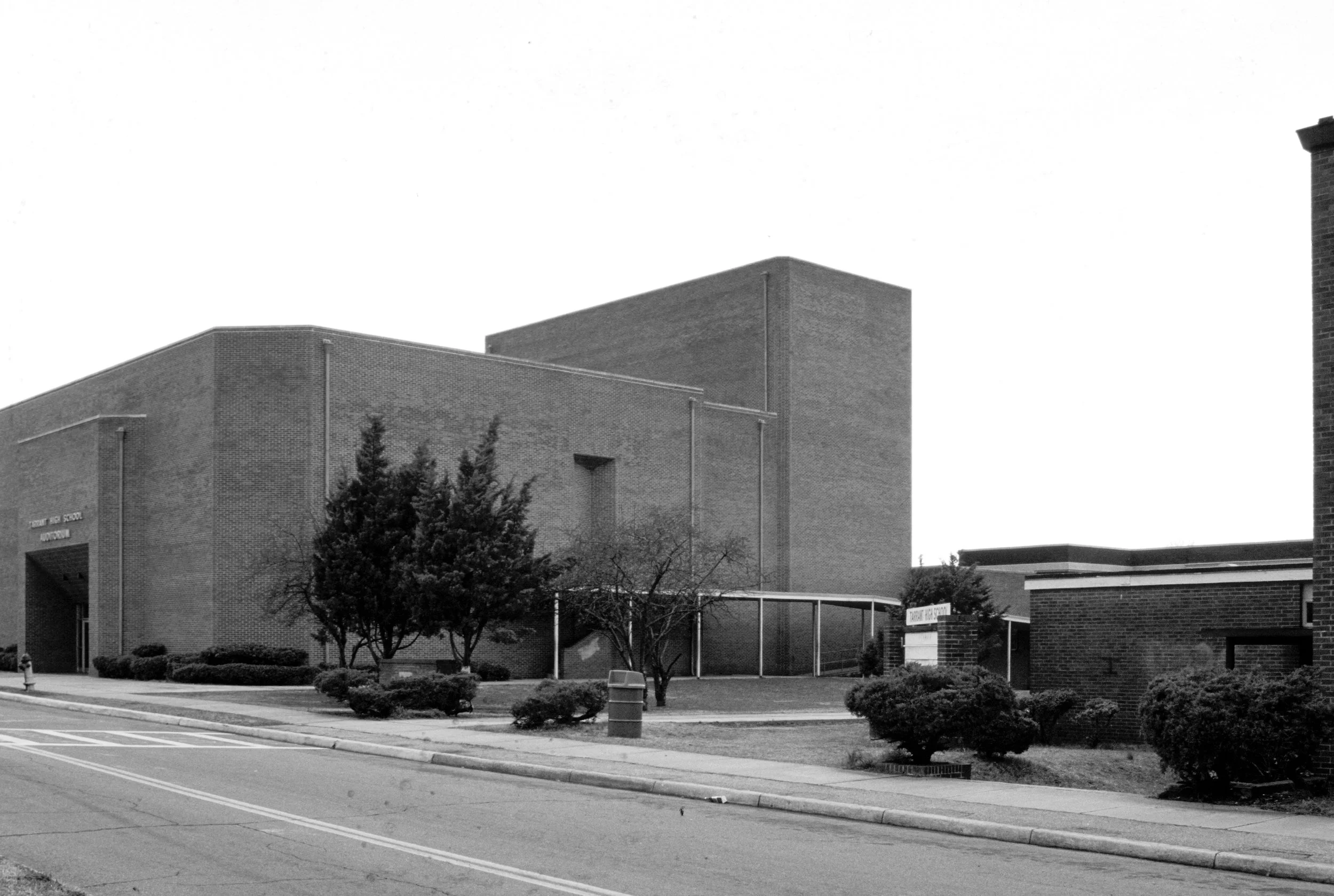
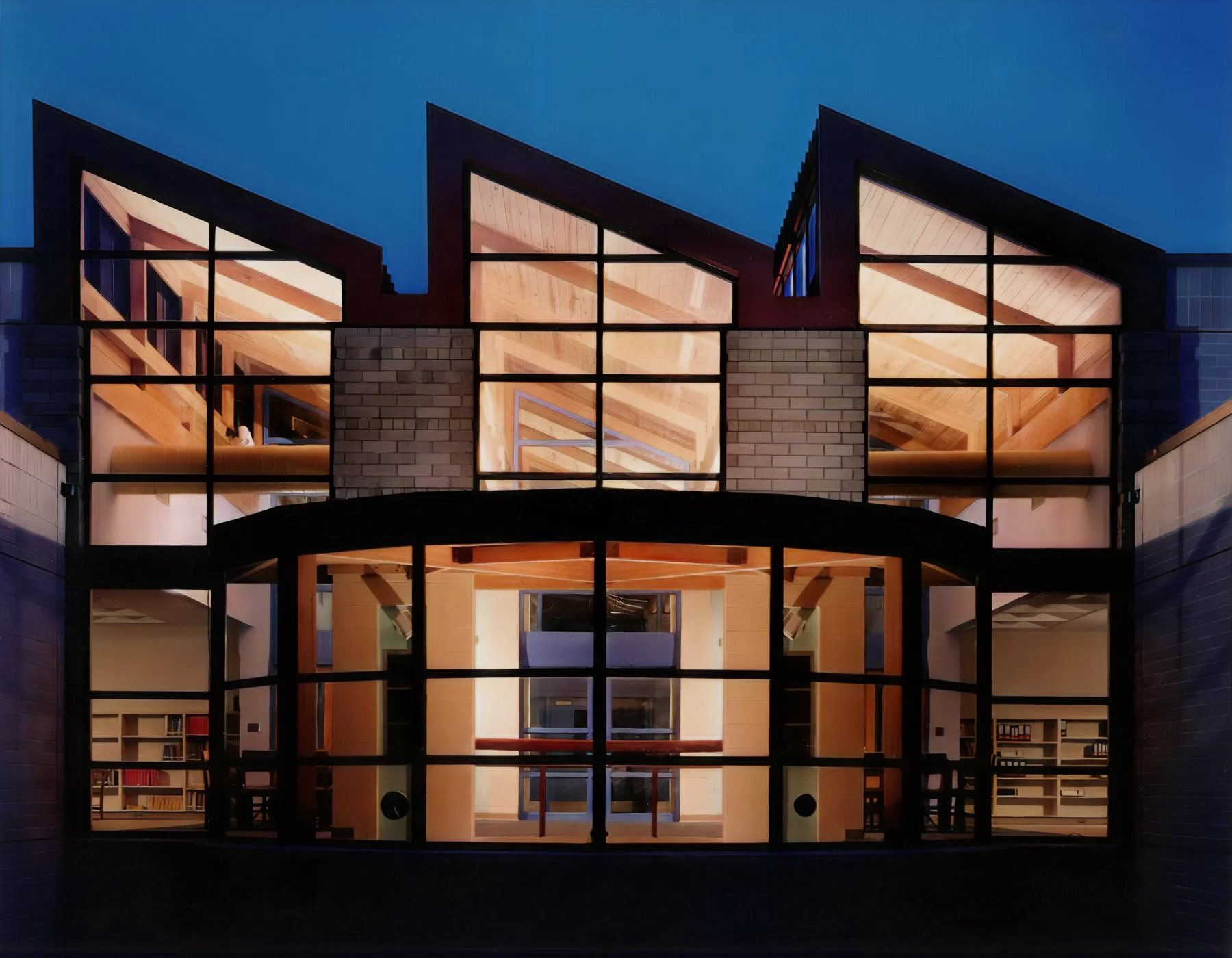
Shades Valley High School: The first “over-the-mountain” high school in Birmingham; recognized for its modernist design and natural lights.
1950 - 1969
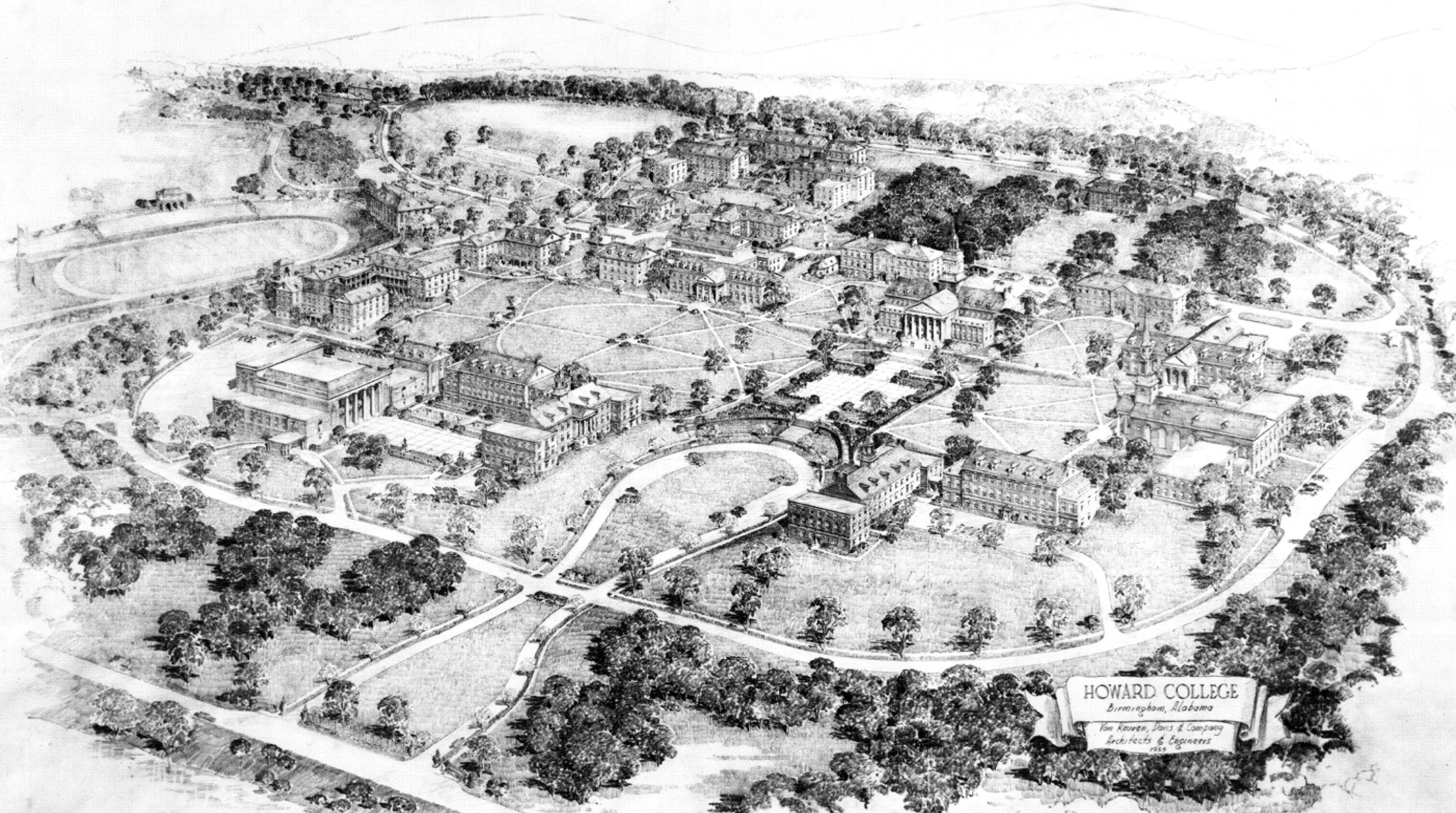
Howard College (now Samford University) Master Plan: Established the campus’s Georgian architectural identity after its move to Homewood.
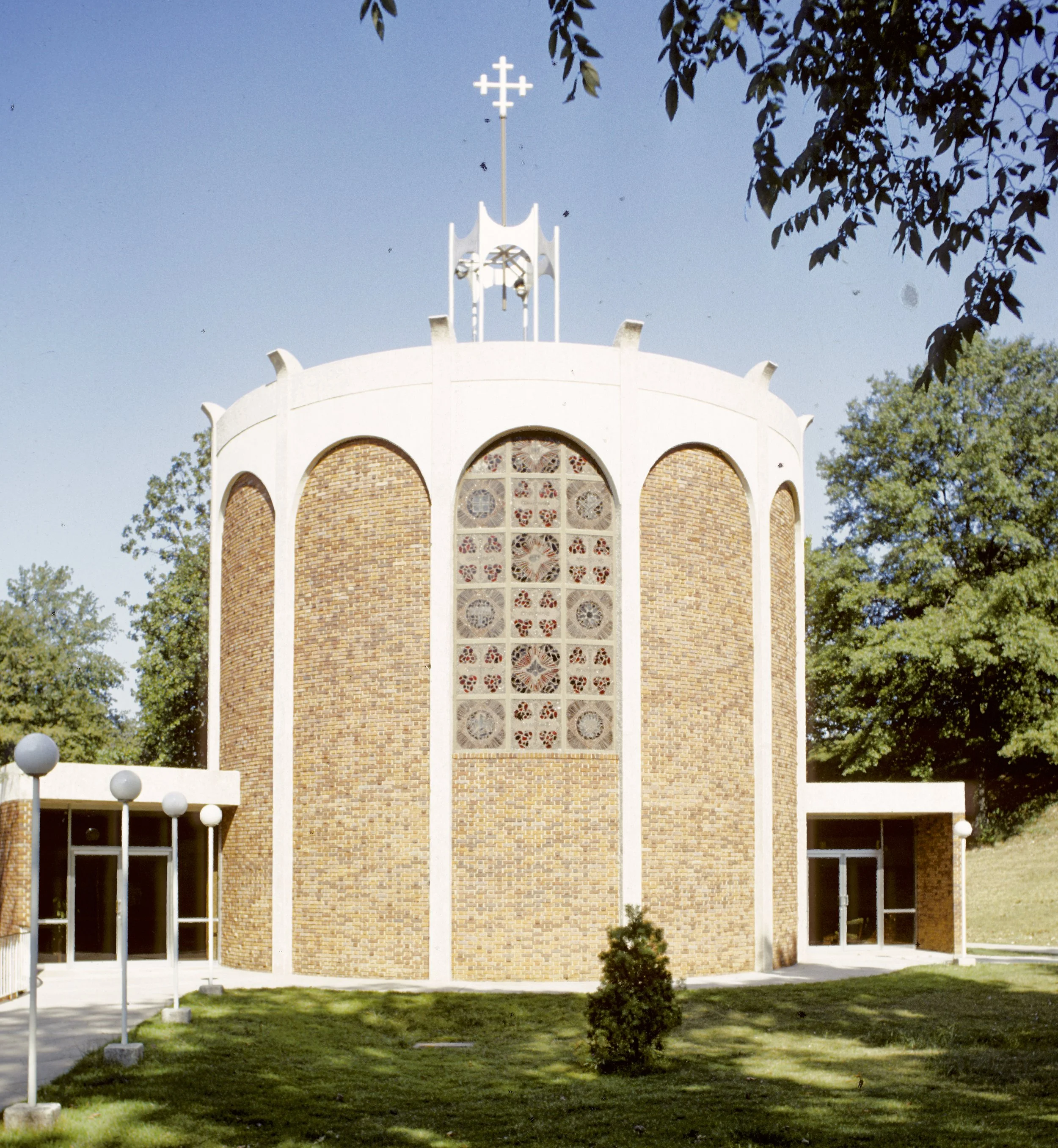
Myrtle Williamson Prayer Chapel, Stillman College: Free-form design centered on the sphere, one of the college’s most iconic structures.
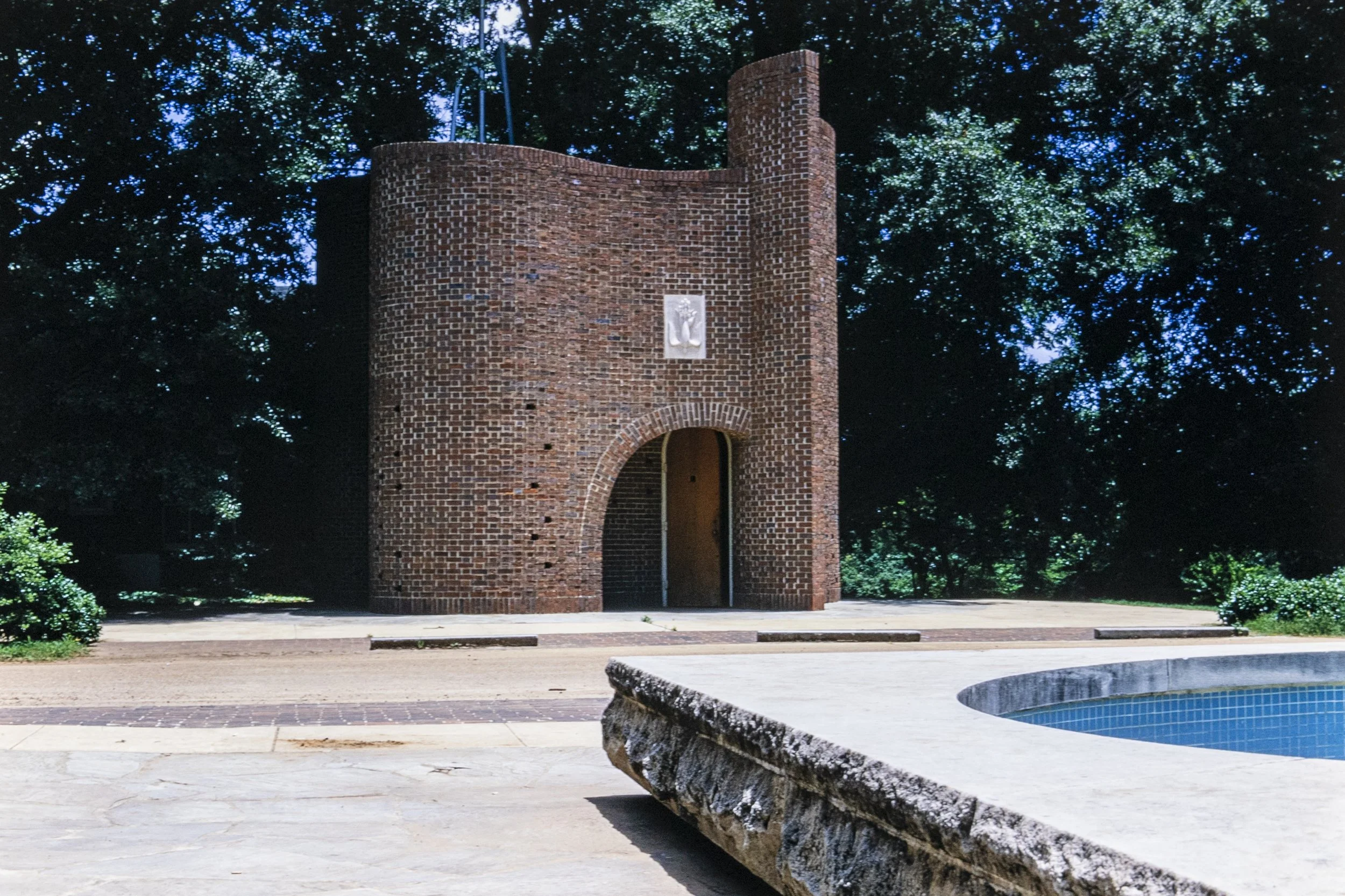
Yeilding Chapel, Birmingham-Southern College: Recognized for its intimate scale and brick detailing.
1970 - 1989
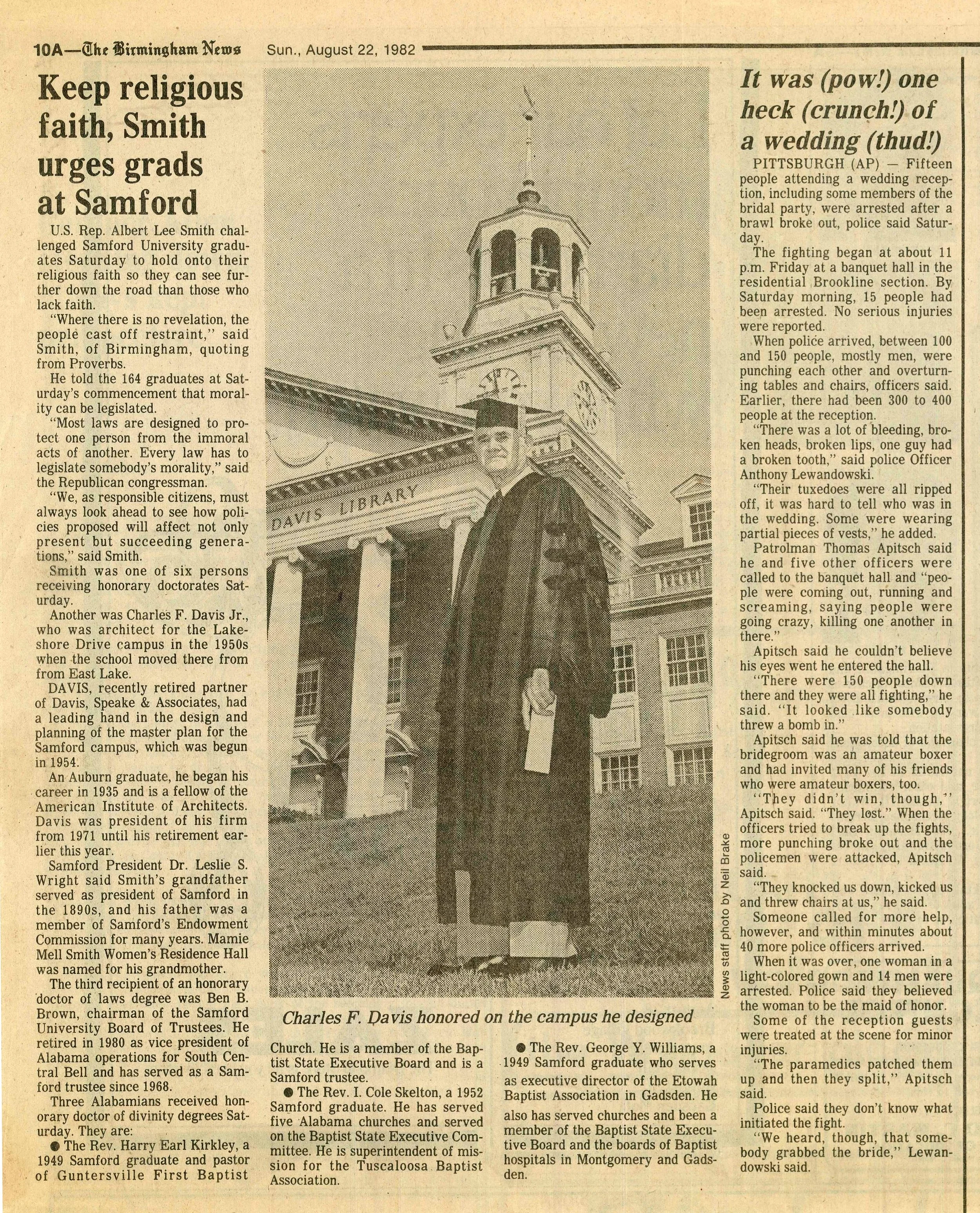
Charles Davis awarded honorary doctorate from Samford University for his leading contributions to the Lakeshore campus architecture and planning.
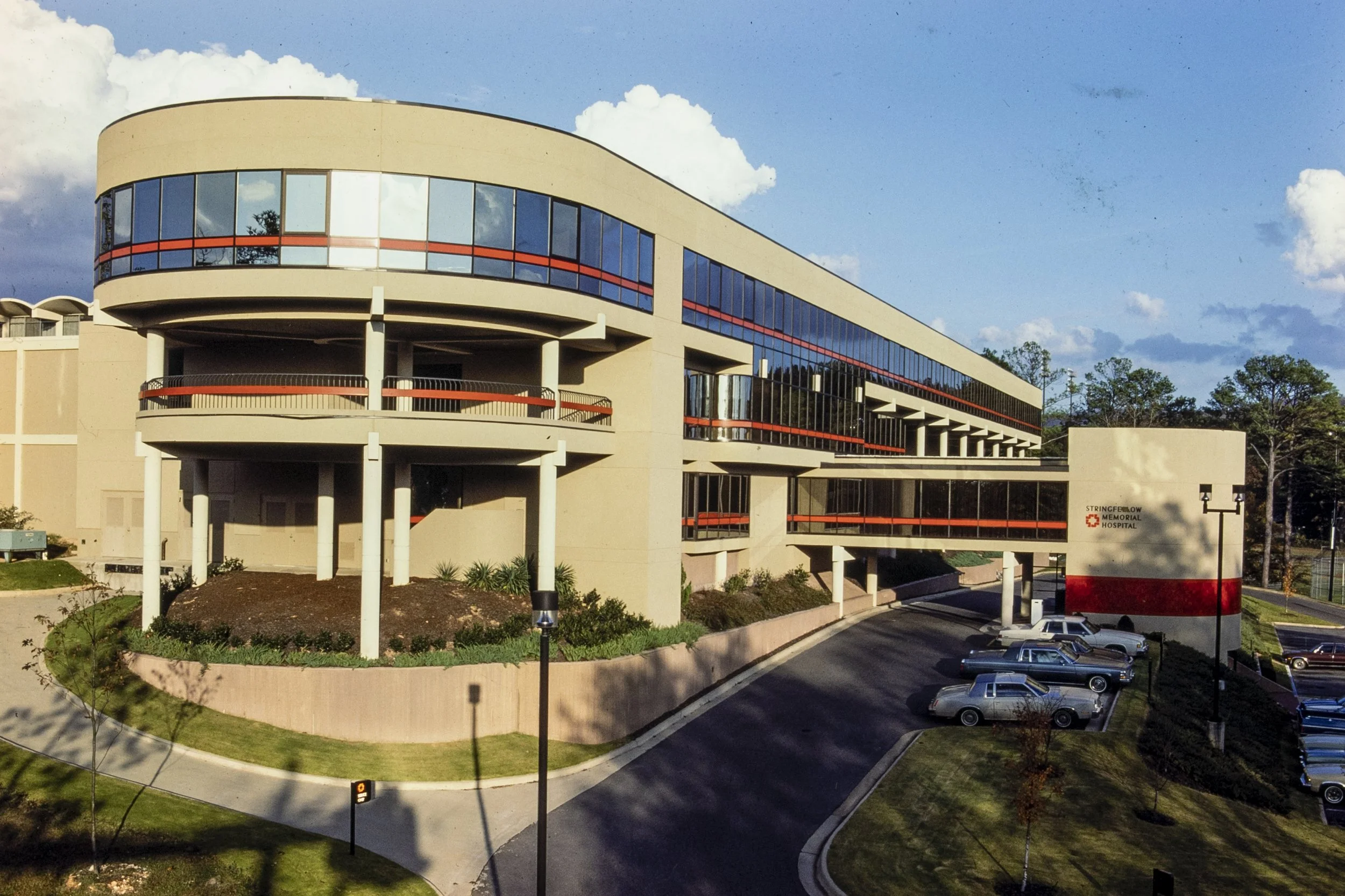
Stringfellow Memorial Hospital Addition: Received AIA recognition for thoughtful healthcare expansion design.
1990 - 2009
Sun Valley Elementary School: 28 classrooms serving 600+ students, winning first award in Progressive Architecture magazine.
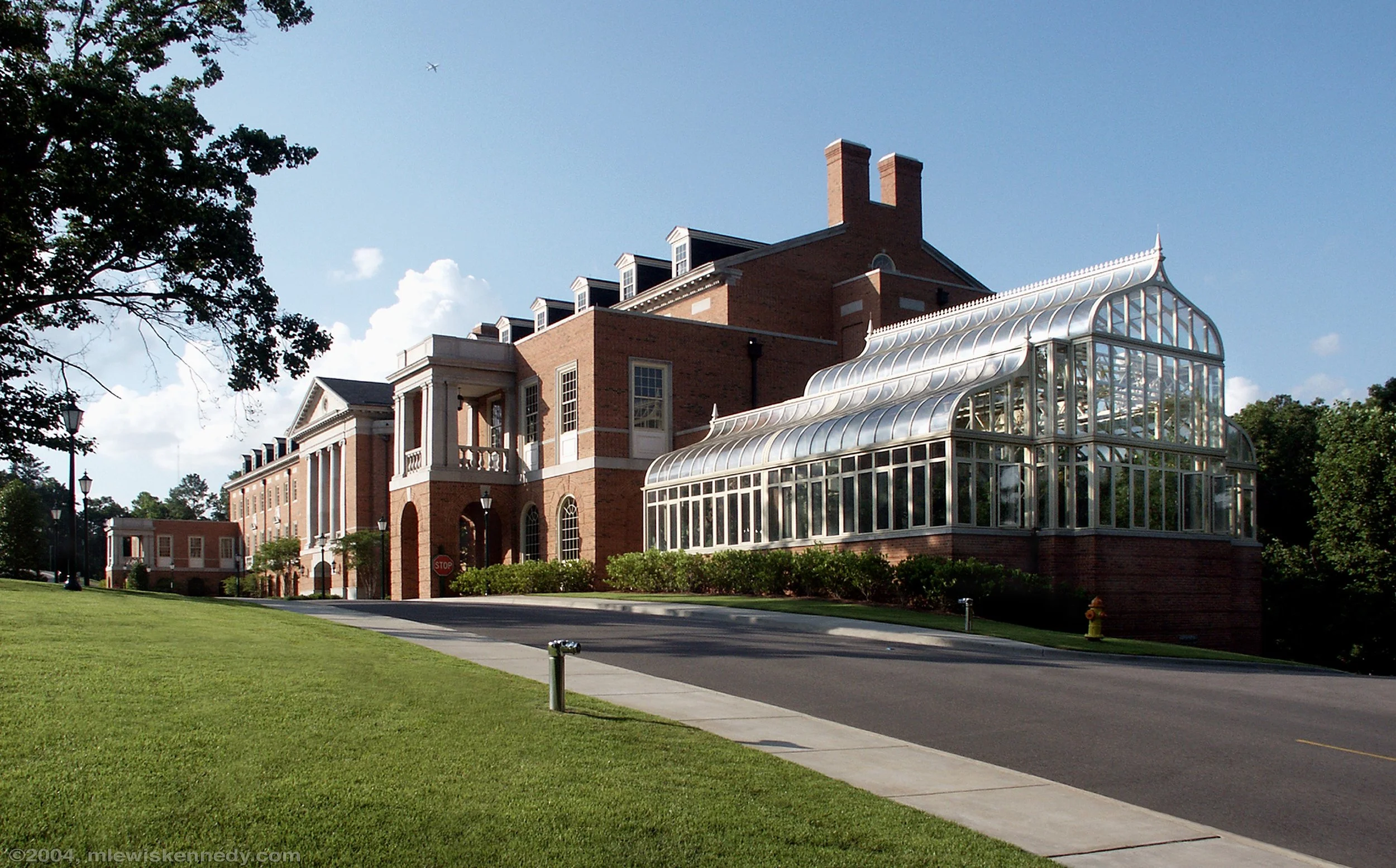
Beeson Divinity School, Samford University: Georgian-style theological building reflecting Reformed faith traditions through classical design.
Alys R. Stephens Performing Arts Center, UAB: Acclaimed venue praised for acoustics and design flexibility.
William Self Propst Hall, Samford University: Science and math facility with LEED-informed design.
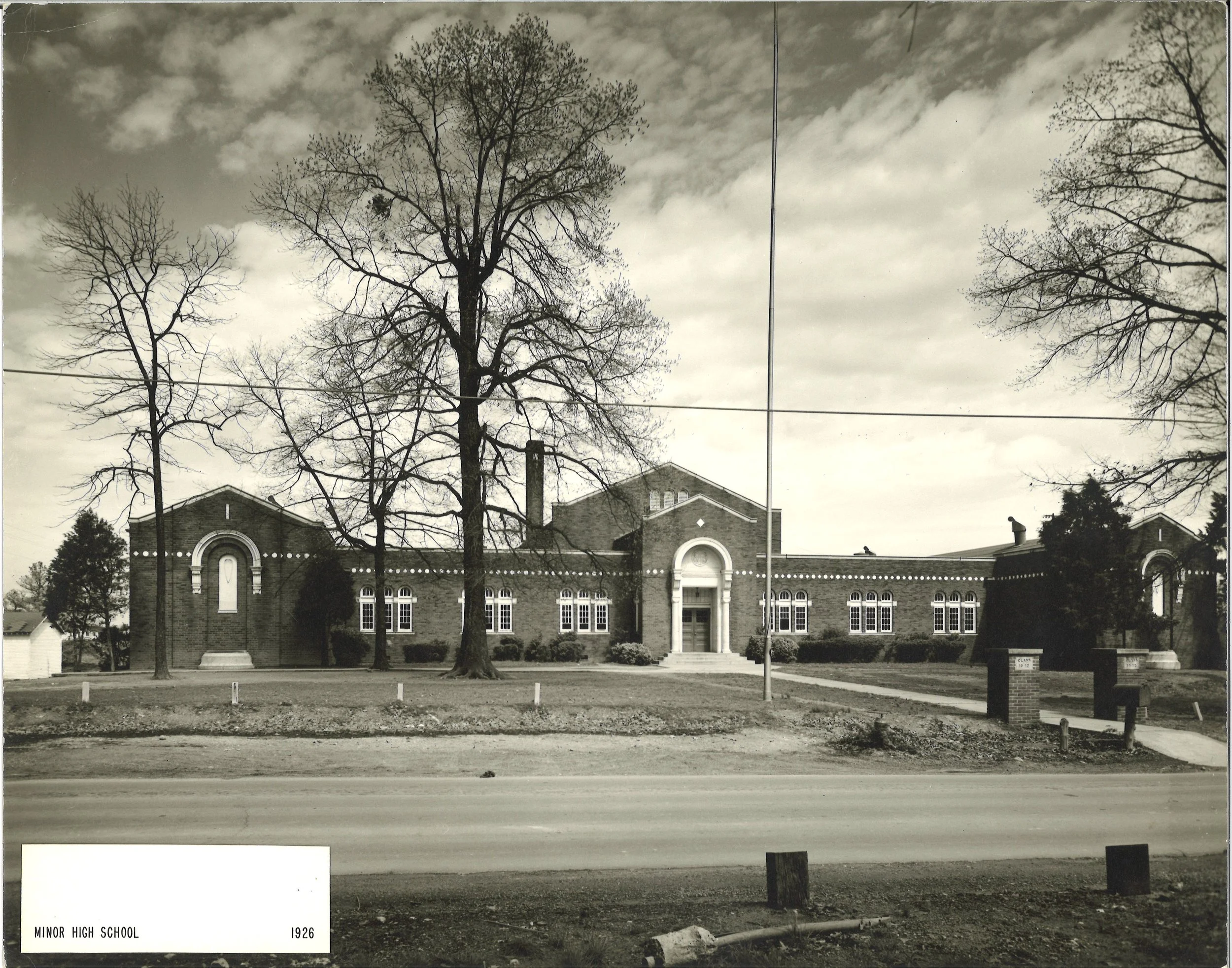
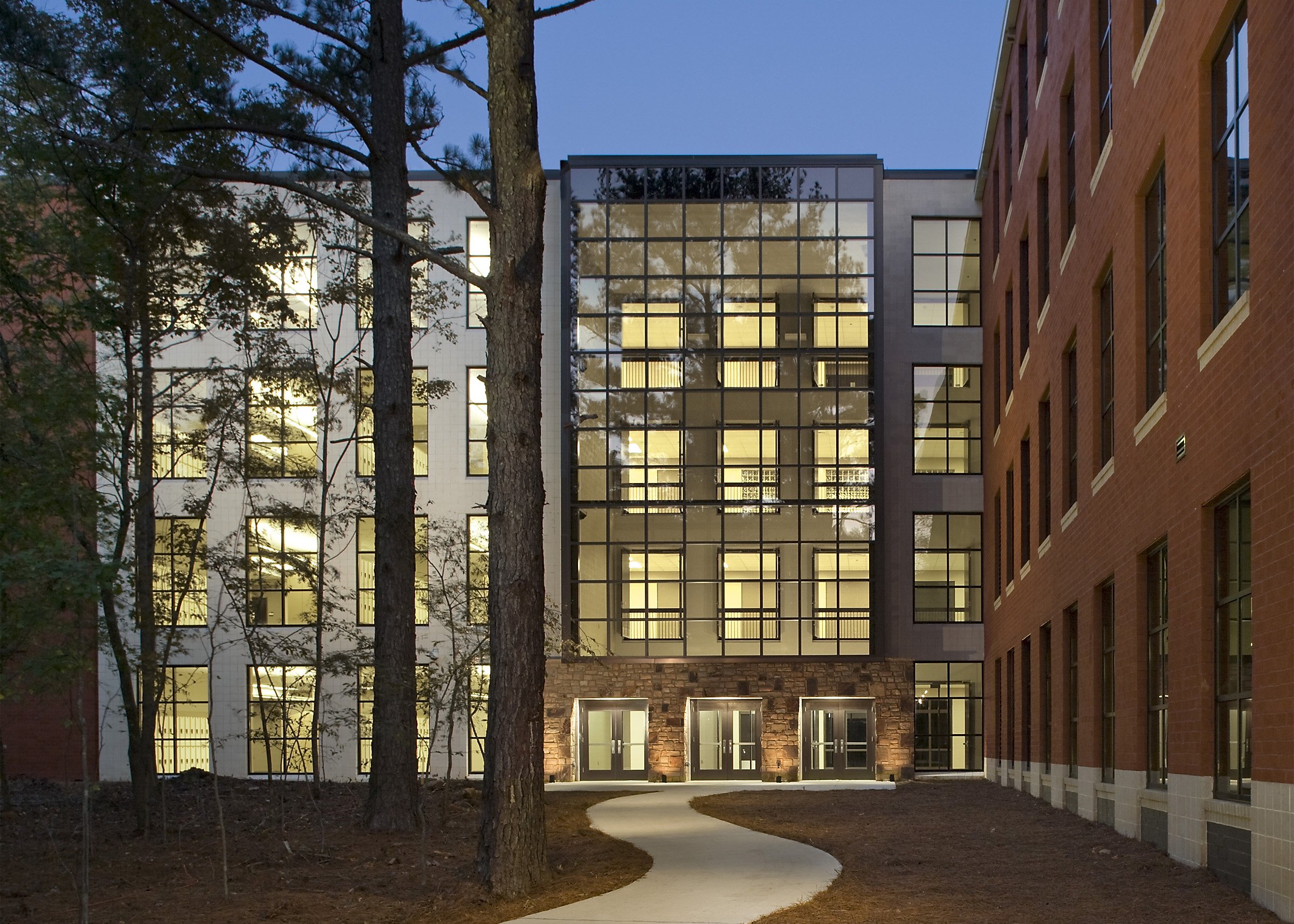
Minor Elementary School: Award-winning four-story addition thoughtfully designed to align with the original 1920s architecture.
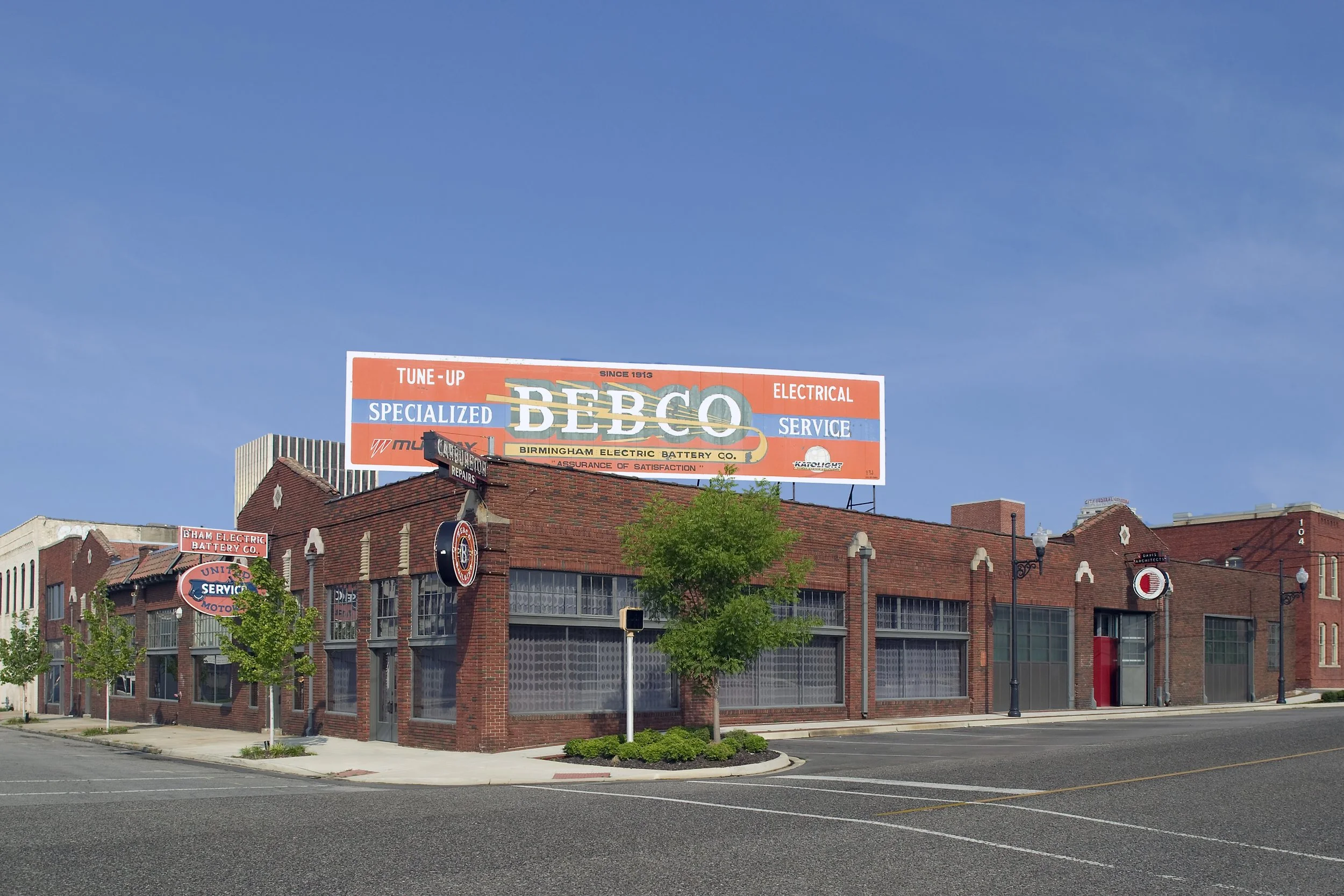
BEBCO Building: 9,000-square-foot adaptive reuse transformation of the 1920s Birmingham Electric Battery Company into Davis Architects’ headquarters.
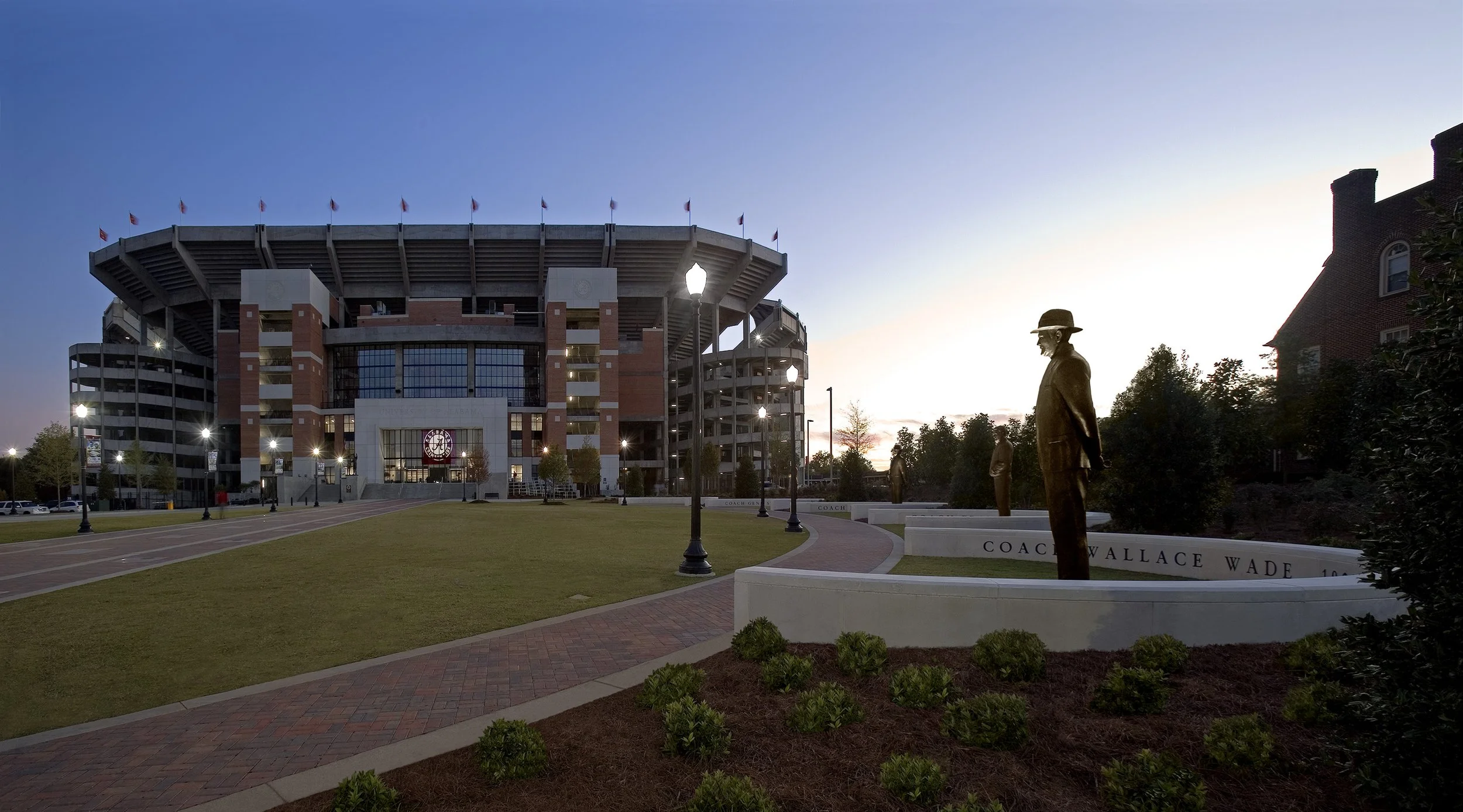
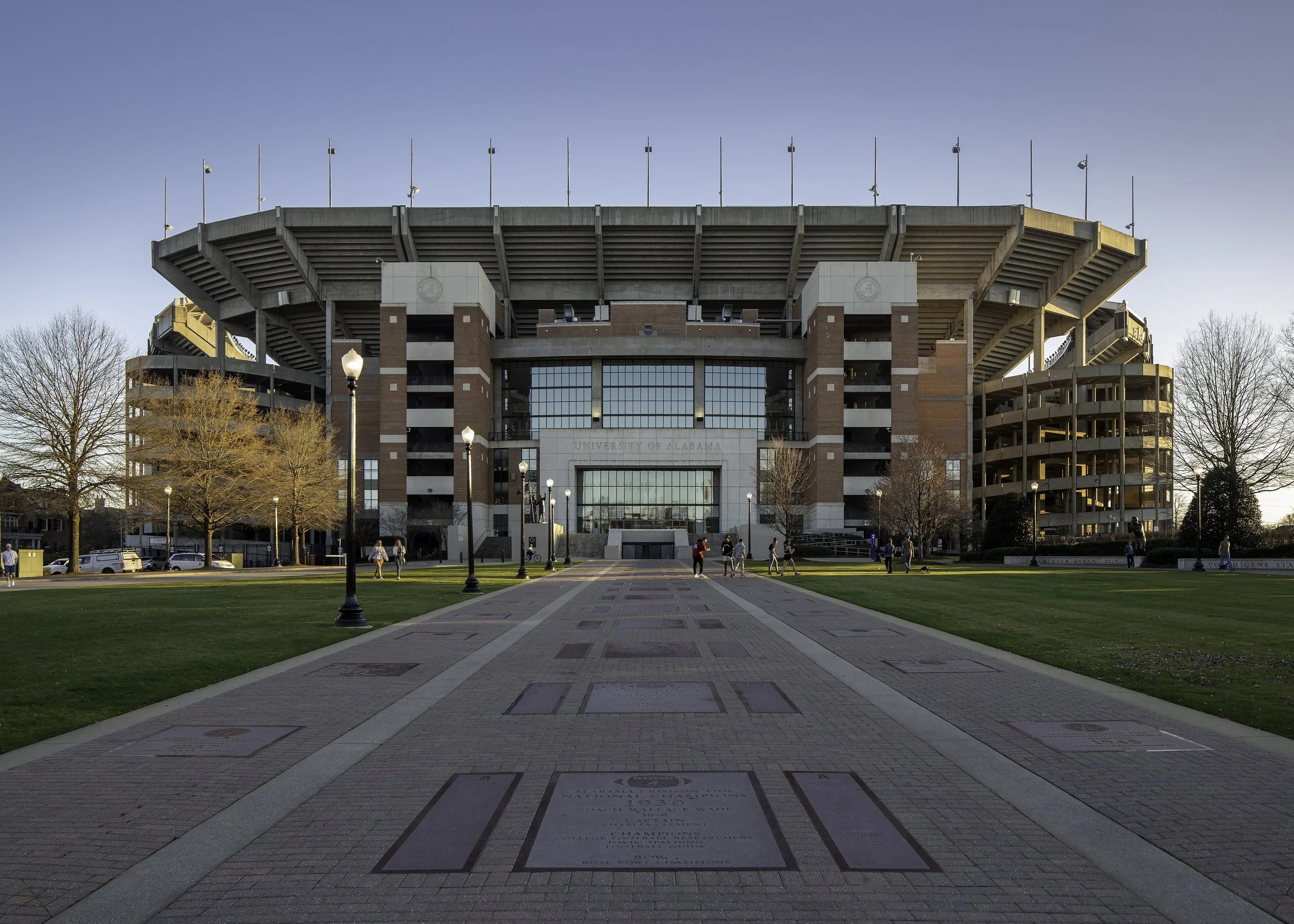
Bryant-Denny Stadium North End Zone Expansion, The University of Alabama –235,000-square-foot, 8-story concrete addition that increased the stadium’s capacity to over 92,000, becoming the nation’s 7th-largest on-campus stadium.
2010 - Current
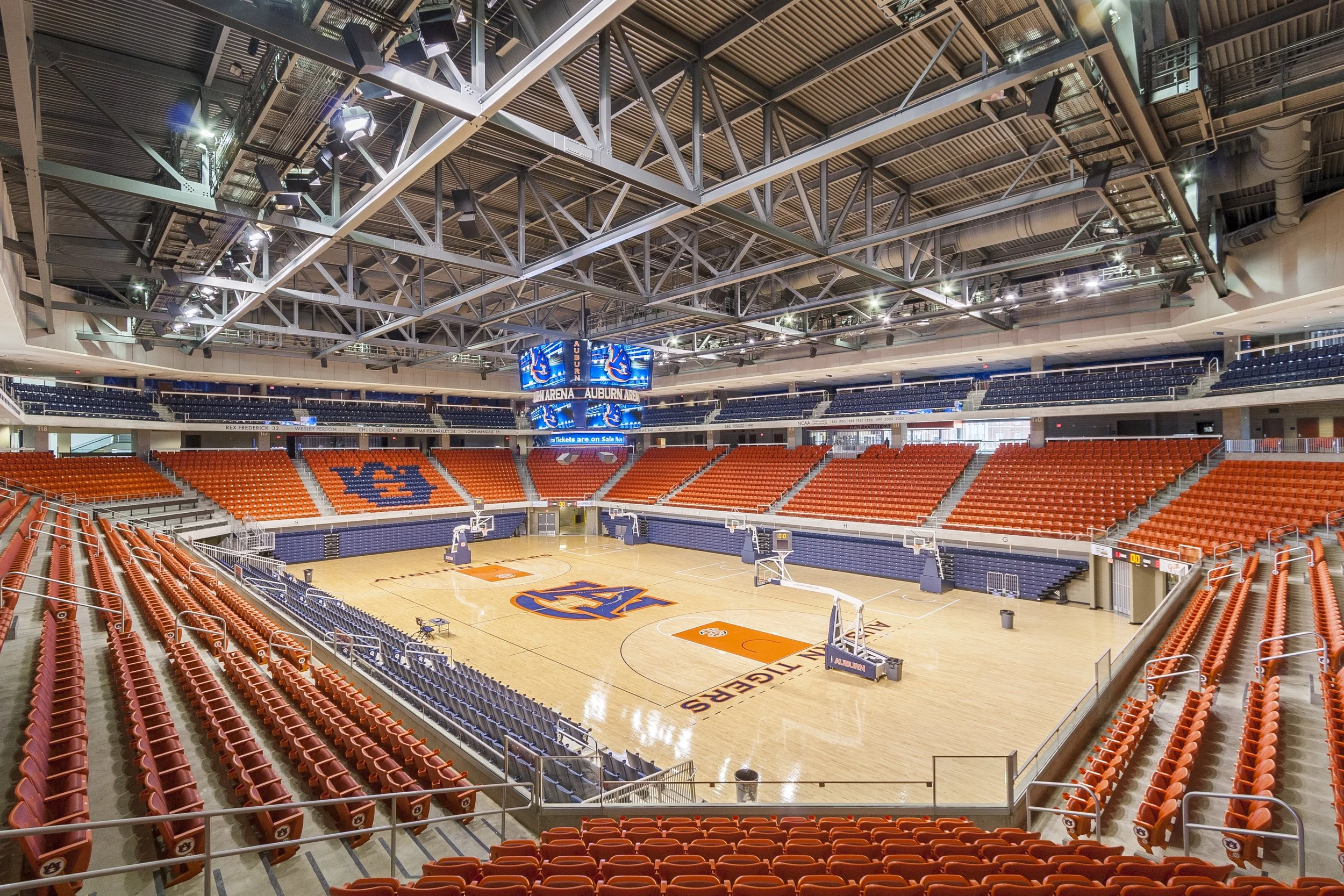
Auburn Arena & Practice Facility: Designed with HOK; 252,000-square-foot venue elevating the fan experience and athletic recruitment.
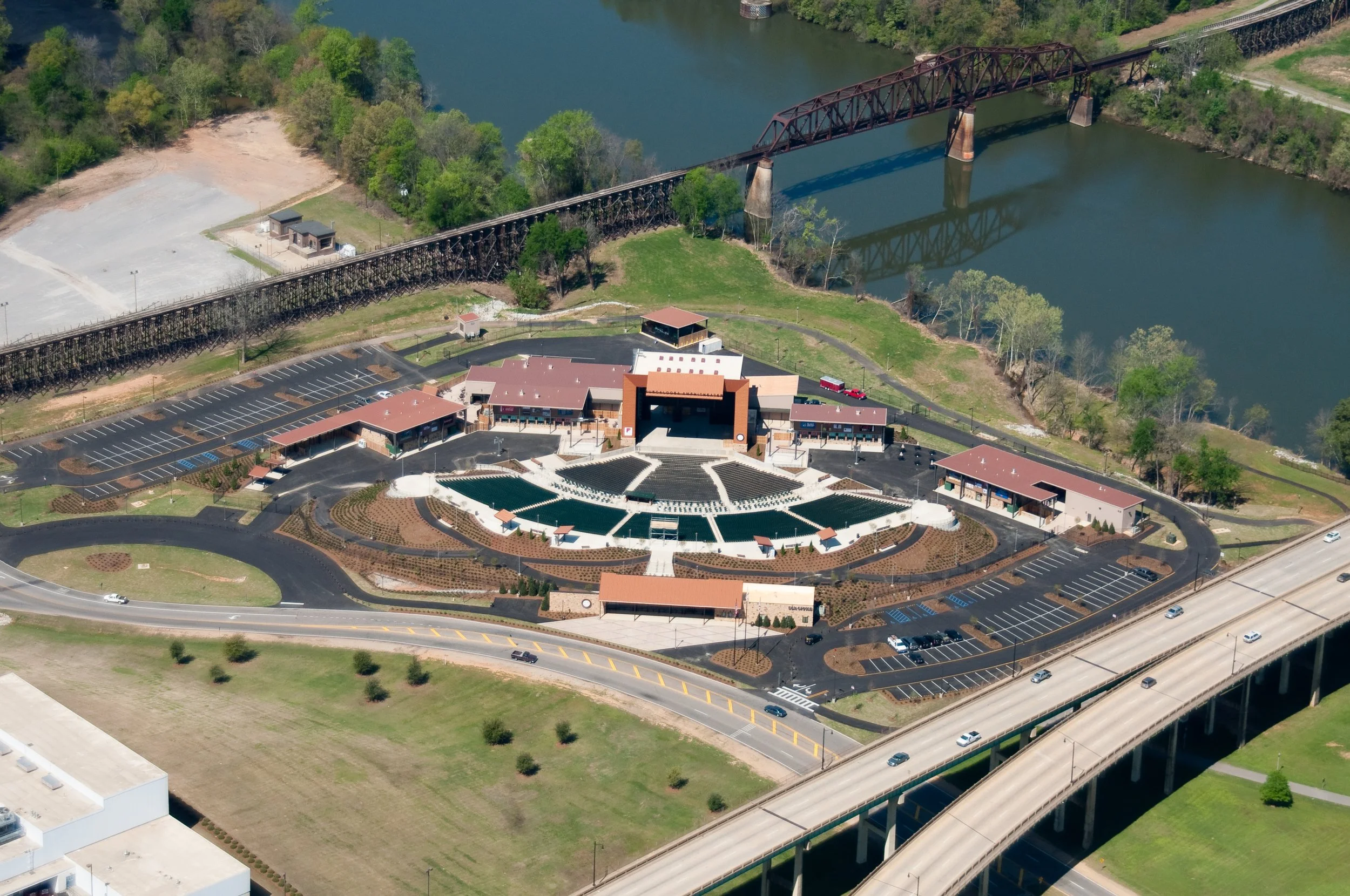
Tuscaloosa Amphitheater: 7,470-seat venue on the Black Warrior River that serves as a cultural anchor for the city’s 3-mile linear riverfront park.
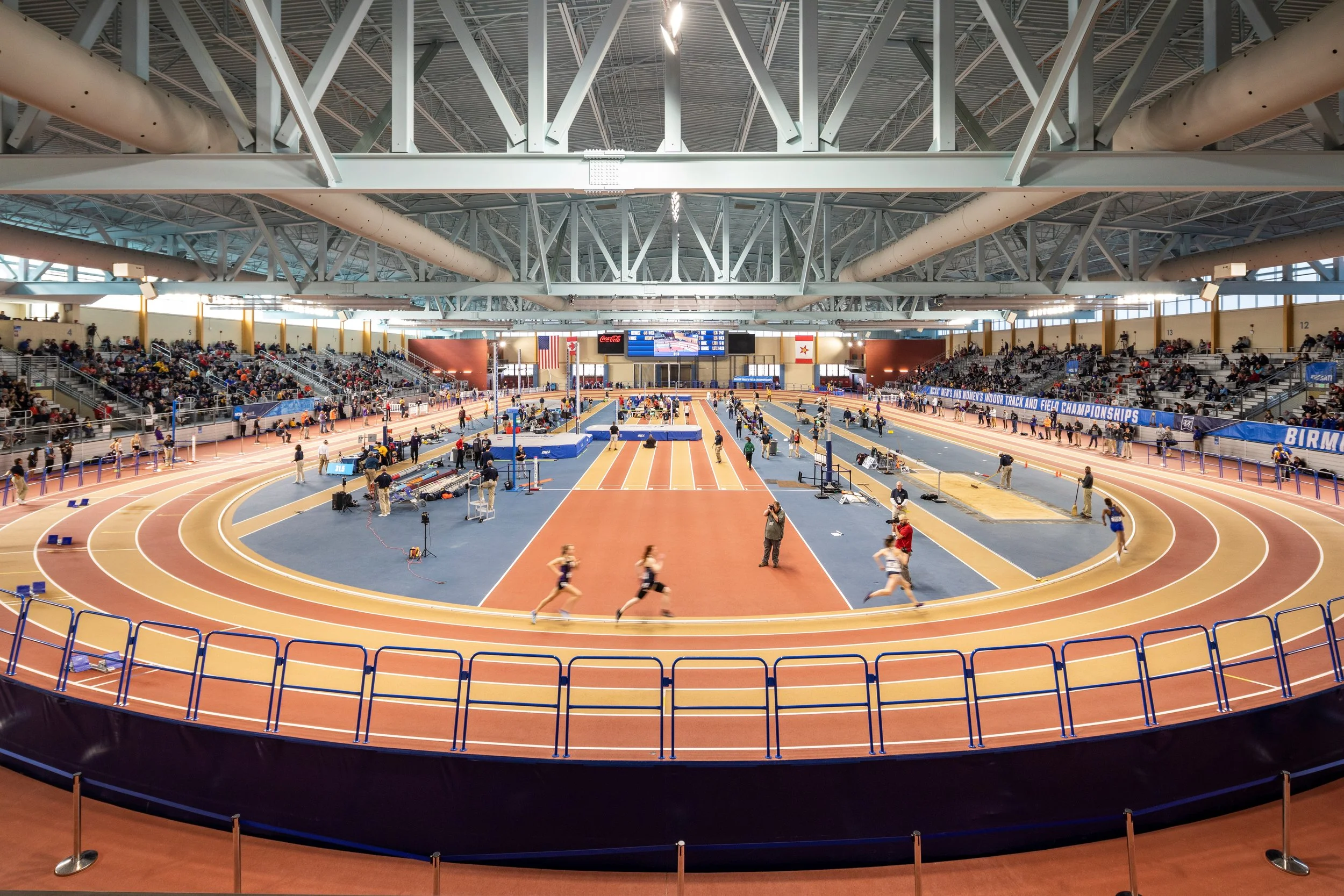
Birmingham CrossPlex: 221,000-square-foot sports complex featuring a hydraulic track and Olympic-size pool; first of its kind with LEED certification; helped spark revitalization in Birmingham’s Five Points West neighborhood.
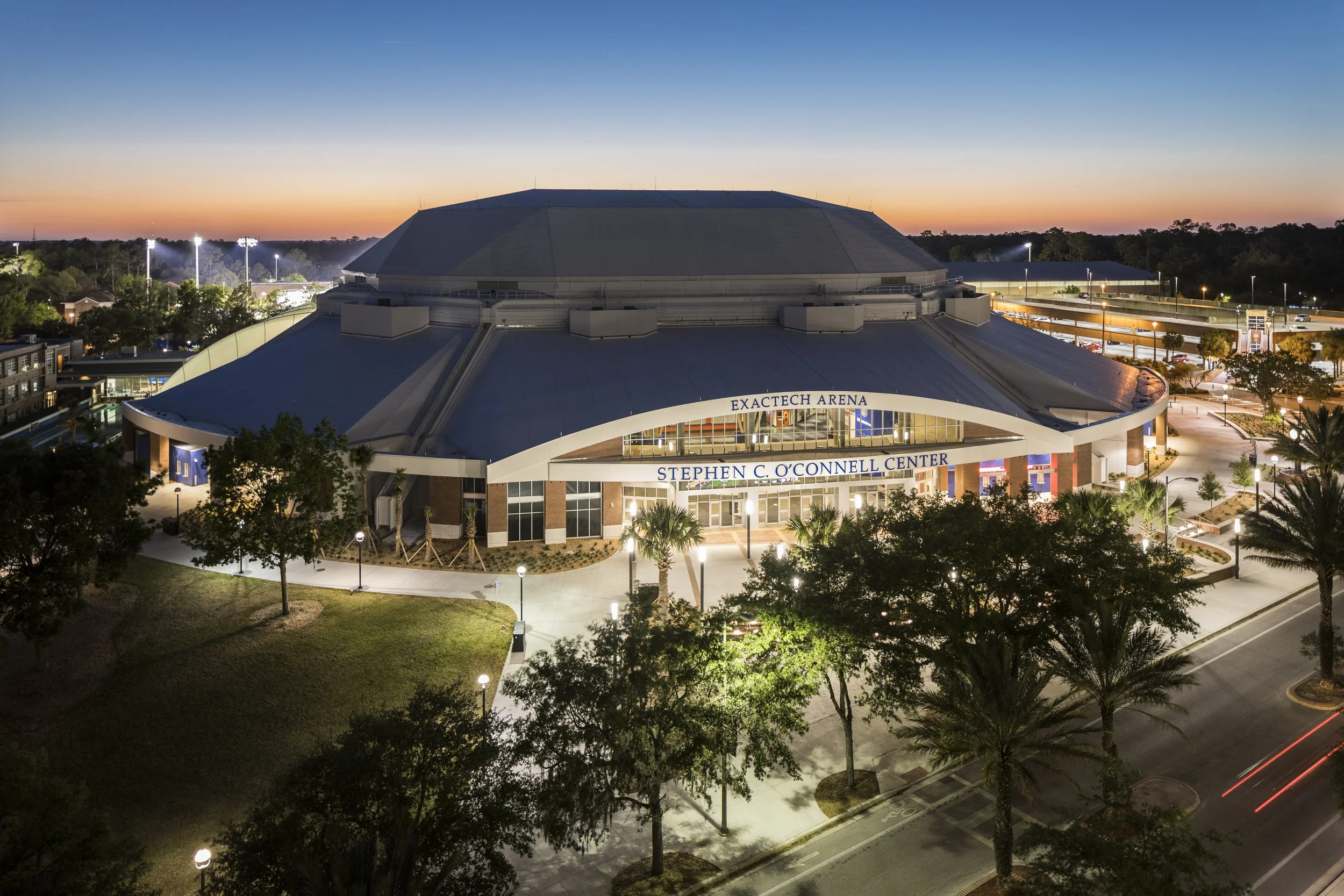
Exactech Arena at the Stephen C. O’Connell Center, University of Florida: $64.5 million renovation modernized the 217,000-square-foot arena and achieved LEED Gold certification.
Falcon Stadium North End Zone Expansion, U.S. Air Force Academy (Colorado Springs, Colorado): New game day locker facilities, premium club space, and recruitment area.
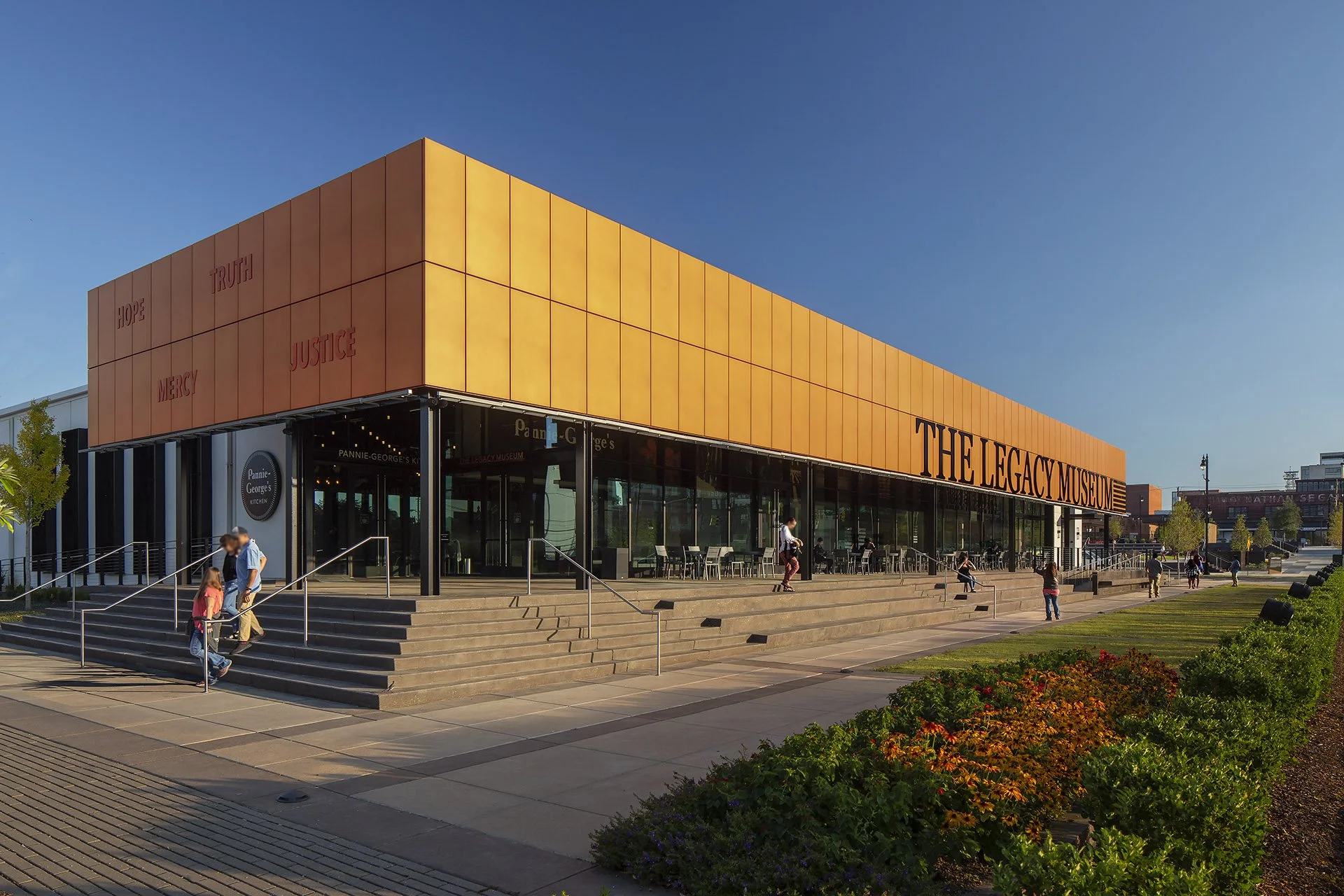
EJI Legacy Museum (Montgomery, Alabama): 47,000-square-foot immersive exhibition and gallery experience; received national acclaim for its powerful storytelling and impact.
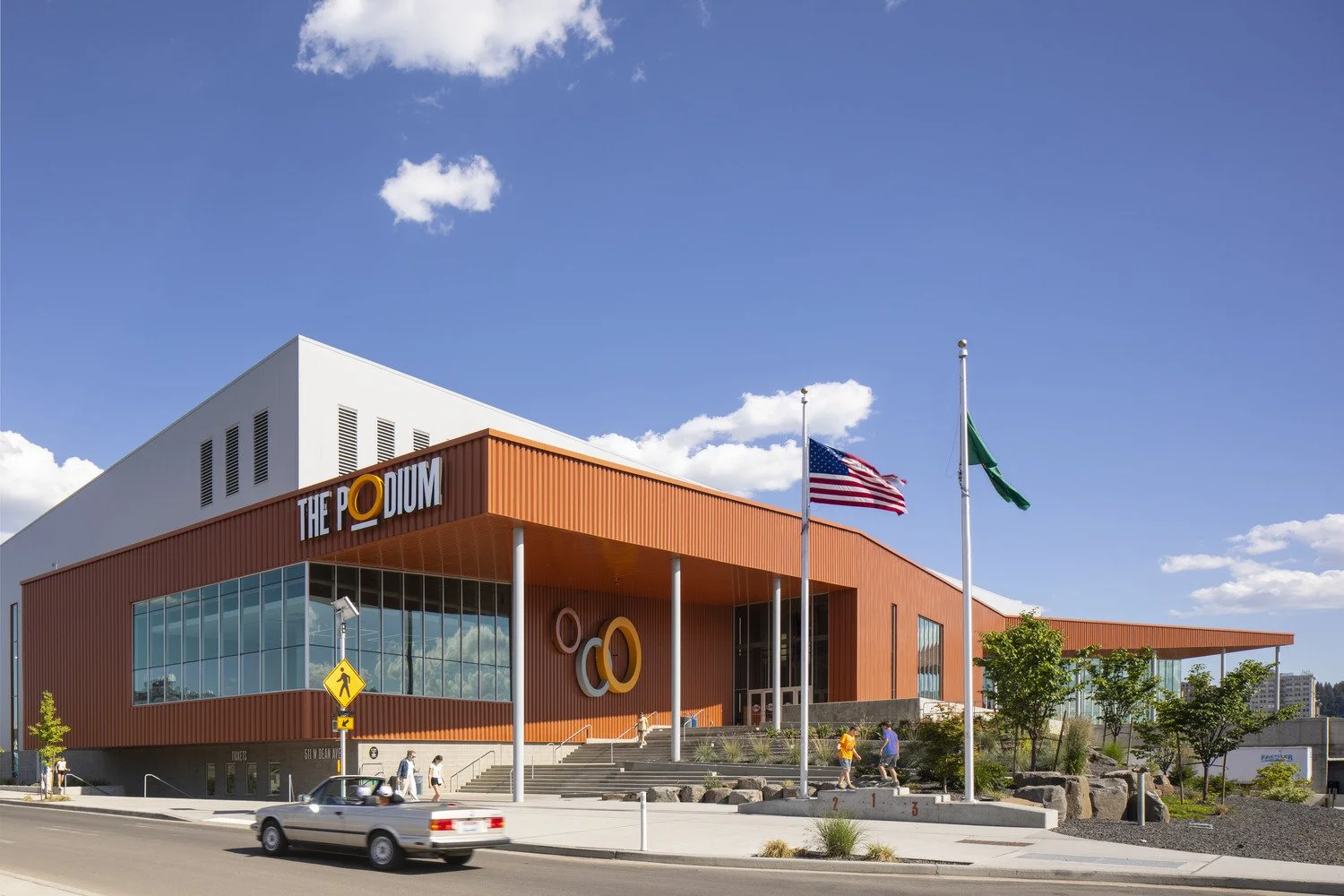
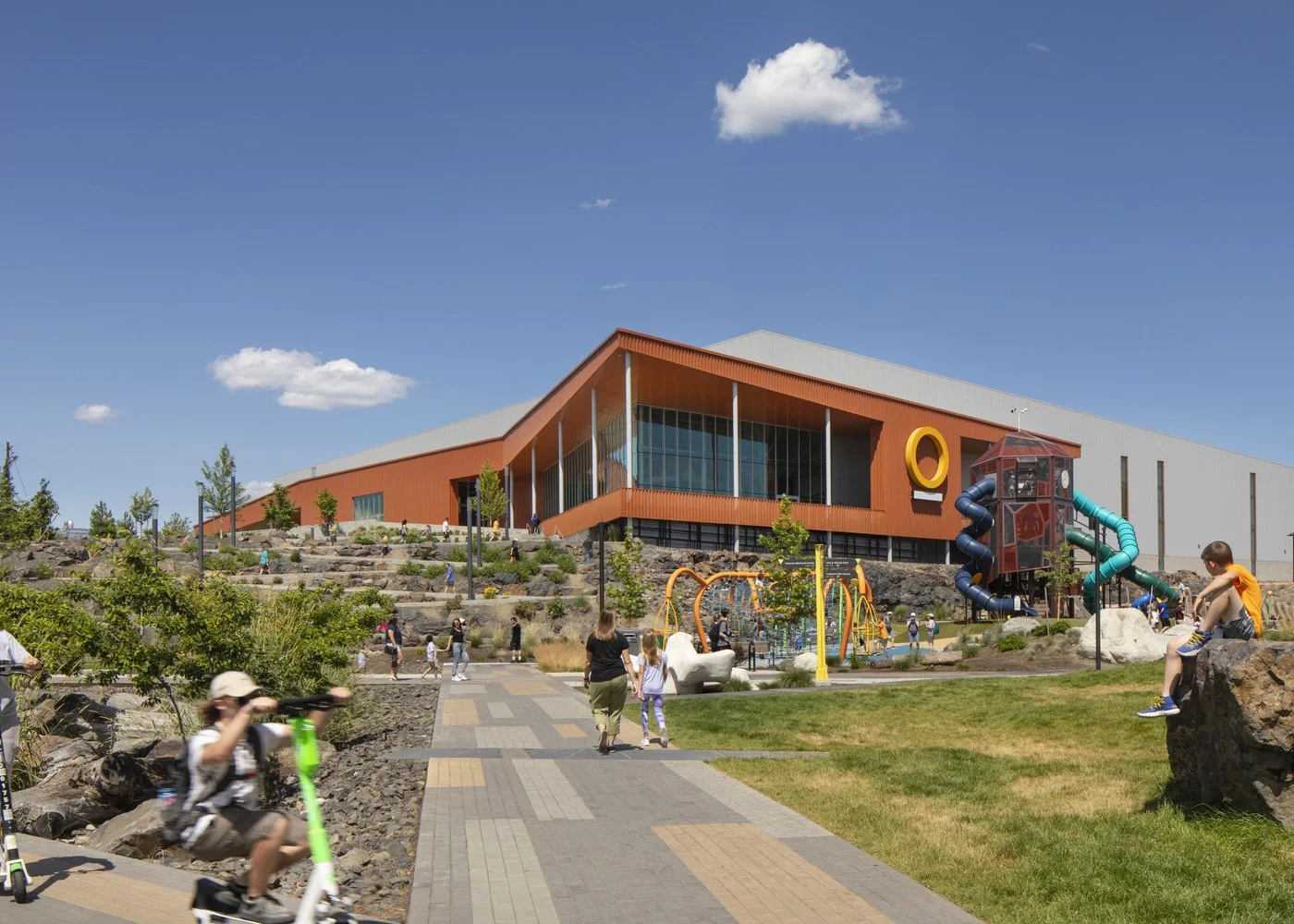
The Podium (Spokane, Washington): 134,000-square-foot indoor track facility with banked 200-meter track; honored by Spokane AIA, Downtown Spokane Partnership, and Urban Land Institute.
Crestline Elementary School: New Pre-K-4 facility for 1,000 students; replaced a beloved 1950s-era school but preserved the neighborhood identity while allowing for expansion of STEM, Arts and Robotics curriculum.
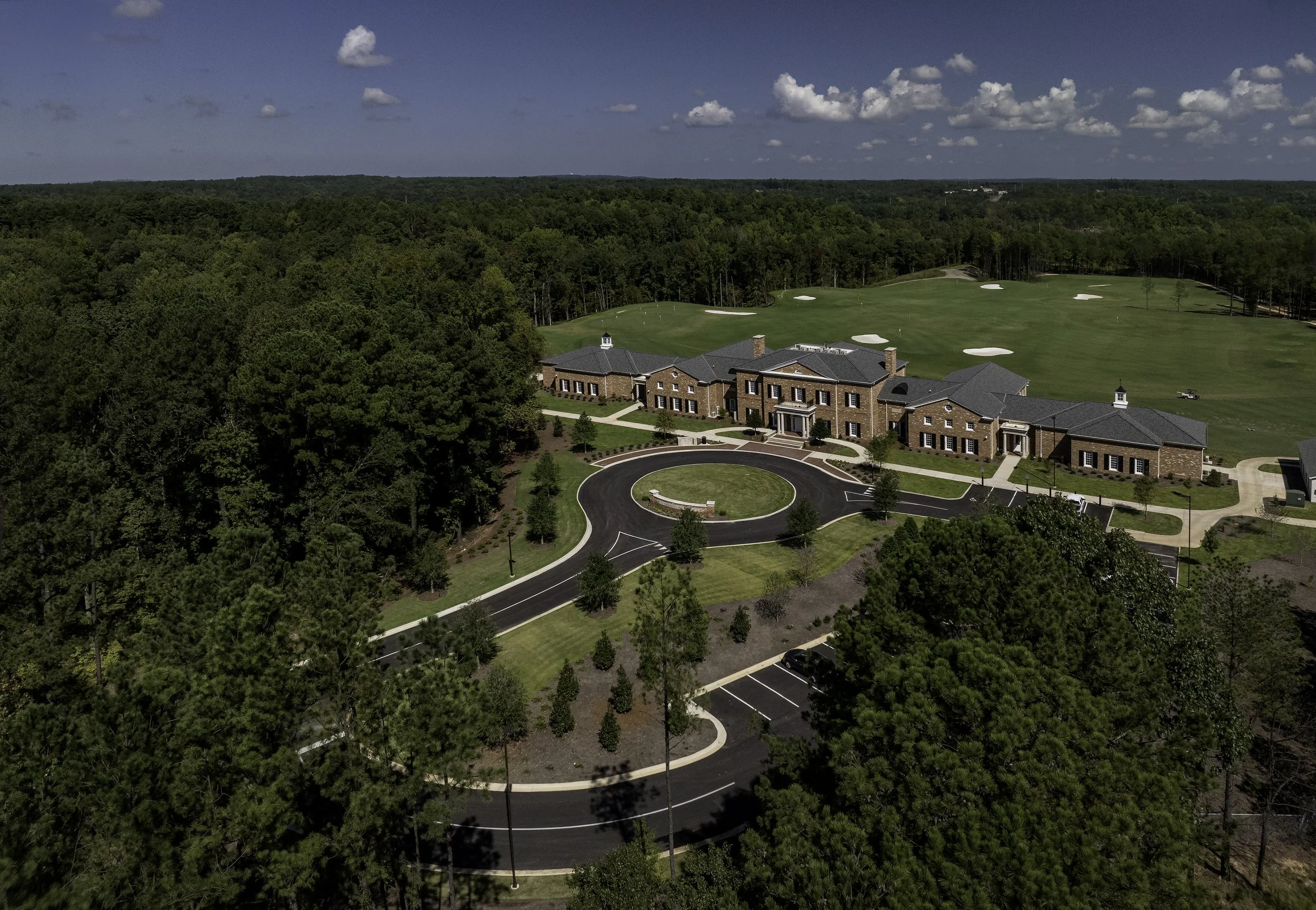
Crimson Reserve, The University of Alabama: 164-acre golf training complex featuring a 20,000-square-foot clubhouse and 9-hole course designed by Davis Love, III.
Courtney Pittman named the firm’s first female president, continuing a legacy of leadership and innovation.